.png?width=1200&height=600&name=ITEpanel%20(2).png)
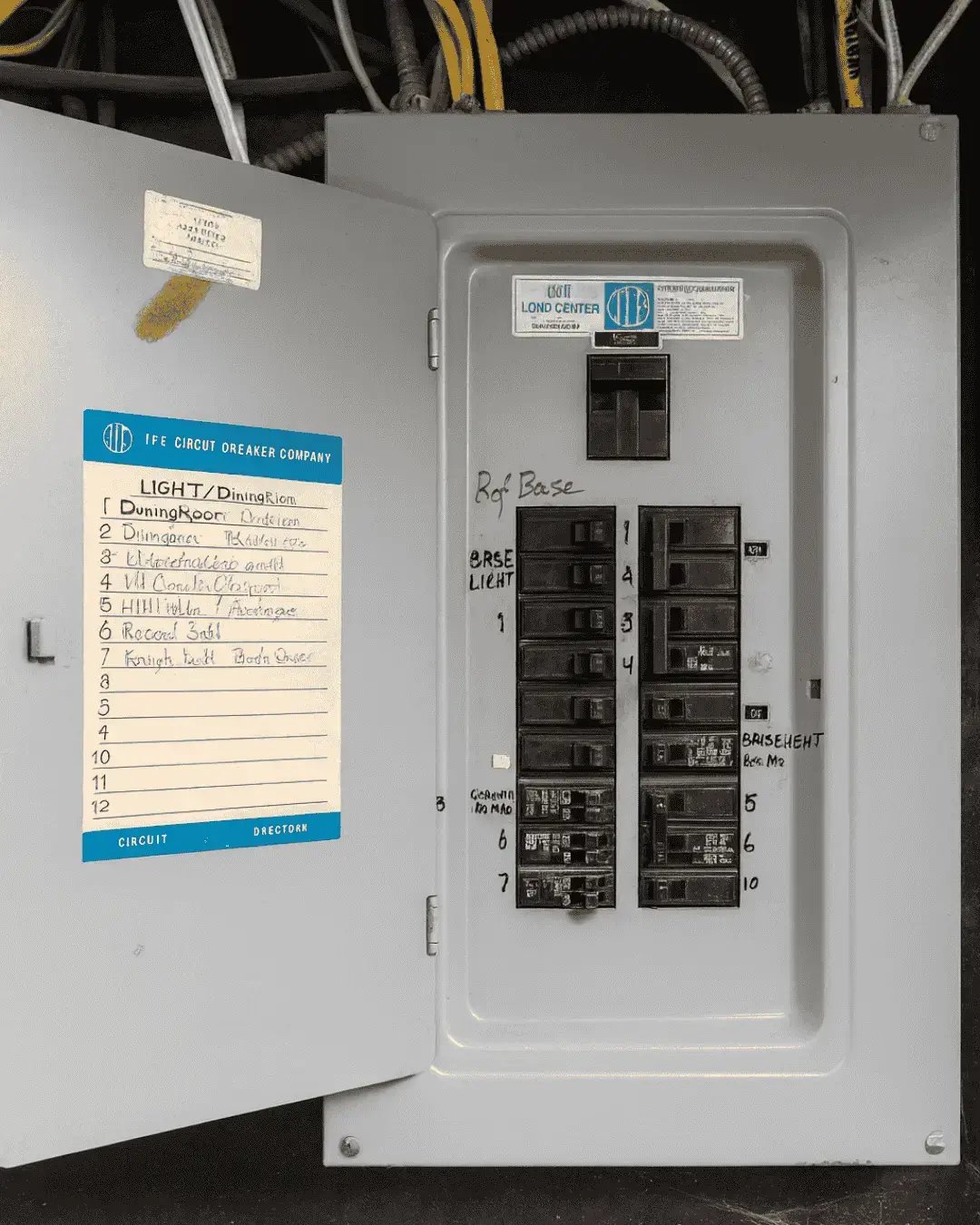
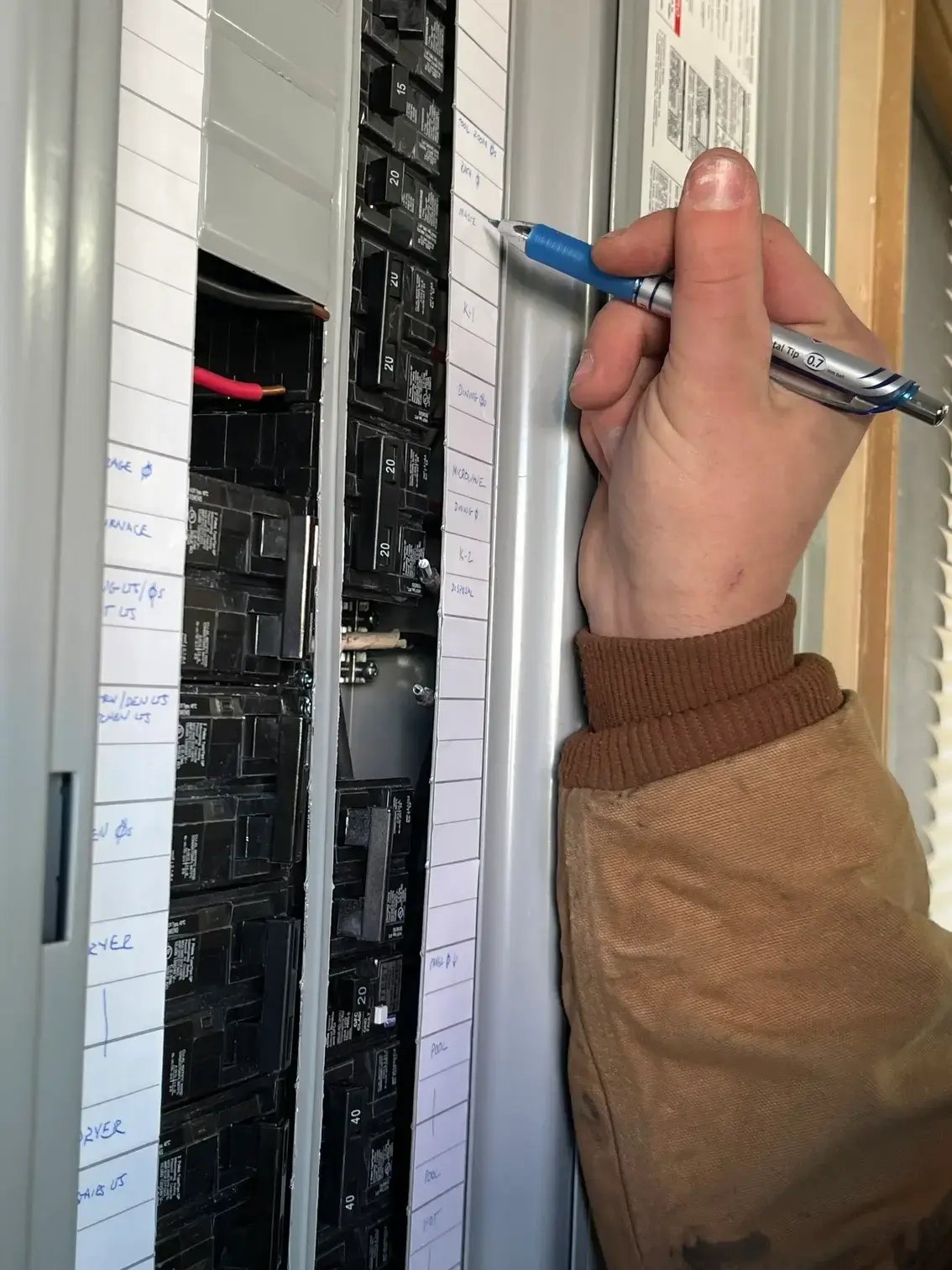
If your home has an older ITE electrical panel, it might not be something you think about. The lights work and the outlets work, so everything seems fine. The tricky part is that these panels tend to age from the inside. Most of the issues that develop are not visible from the outside and they often start quietly, such as overheating or loose internal parts that gradually get worse.
At Integra Electrical, we have opened and evaluated hundreds of ITE panels in older homes around the Des Moines area. We see the same patterns over and over. It is not something you did wrong. The panel was considered acceptable when it was installed. Time simply caught up to it.
The 4 biggest problems with ITE panels are:
- They struggle with modern electrical demand
- Replacement breakers are not straightforward
- Internal connections can loosen and overheat
- Insurance and inspections may flag them
They Struggle With Modern Electrical Demand
When ITE panels were originally installed, the average home simply did not use electricity the way we do today. A few lamps, a TV, maybe a hair dryer, and dinner in the oven was a full workload. Now our homes run multiple kitchen appliances, gaming setups, home office equipment, HVAC systems, and chargers for devices that charge our other devices. If your house had feelings, it would politely ask for a nap.
When a panel is not built for that level of use, it has to work harder to supply power throughout the home. That extra load creates heat inside the panel. Heat is the main thing that wears electrical components down over time. It can loosen screws and terminals, make breakers slower to trip, and create small internal hot spots that slowly get worse. None of this happens all at once. It is quiet and gradual, which is why homeowners often do not notice a problem until lights start flickering or breakers trip more frequently.
Upgrading to a modern panel gives your electrical system room to breathe. It supports the way your home is actually used today and reduces the slow internal strain that leads to long-term issues.
Replacement Breakers Are Not Straightforward
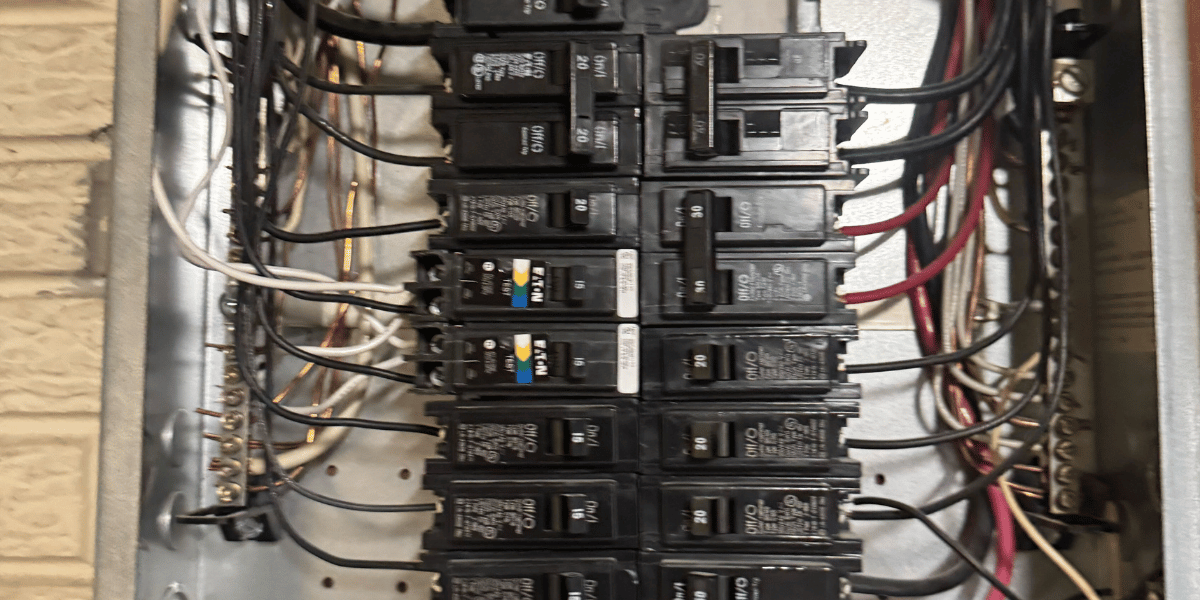
One of the most frustrating parts about ITE panels is the replacement of breakers. ITE was bought and rebranded several times, so the original breakers are not widely made anymore. Homeowners will sometimes go to a hardware store, find something that looks similar enough, and snap it in. It might fit into the slot, but that does not mean it is actually rated to work with the panel.
The breaker is the part that is supposed to stop a problem before it becomes a bigger one. If a breaker is not matched correctly, it may not trip when it needs to. That is the exact moment you want it to be dependable. It is similar to using a seatbelt from one car model in a completely different car. You can click it in, but that does not mean it will protect you when it counts.
Once a panel relies on mismatched or hard-to-source breakers, the safest long-term fix is to replace the panel with a modern one that uses standard, readily available parts. This removes the guesswork and restores the protection the panel is meant to provide.
Internal Connections Can Loosen and Overheat
Inside every electrical panel, there are screws, clamps, and contact points that keep everything held tightly in place. Those connection points need to stay snug to move electricity safely. Over the years, as the panel heats up and cools back down, those parts can slowly loosen. It does not make a sound, there is no dramatic spark show, it just quietly becomes less secure over time.
When a connection loosens, it has to work harder for electricity to move through it. That extra effort creates heat. Then the heat creates more loosening. Then the loosening creates more heat. It is a little domino effect that keeps repeating. In many ITE panels we open, we see signs of this cycle. Slight discoloration on the metal. Breakers that feel warmer than the others. A section of the panel that just looks more tired than the rest of the house. No one notices it until something starts flickering.
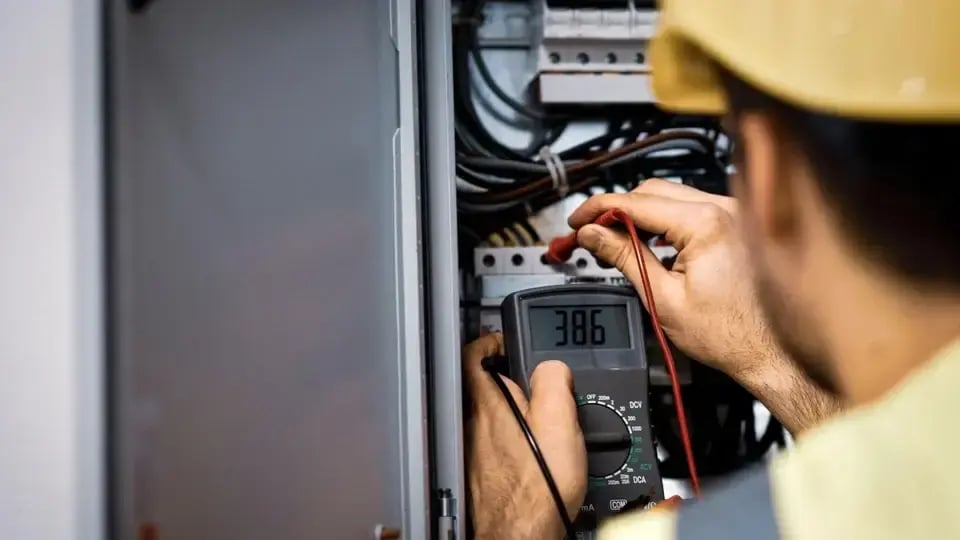
A licensed electrician can check these internal connection points and test for hot spots. Sometimes, tightening and small repairs can buy time, but if the wear is widespread, replacing the panel gives your system a fresh, solid foundation again. It is like choosing a new pair of shoes instead of keeping the pair that is already stretched, worn thin, and squeaking every time you walk into the kitchen.
Insurance and Inspections May Flag Them
This is the part that tends to surprise homeowners. Some insurance companies are cautious about older electrical panels. Not all of them, and not automatically, but enough that it is something to be aware of. If an ITE panel shows signs of overheating or mismatched breakers, an insurance provider may ask for repairs or panel replacement before renewing or issuing a policy. They are simply trying to prevent a claim later, but it can feel like a curveball if you are not expecting it.
Home inspectors often take a close look at older panels too. If you decide to refinance, remodel, or sell your home, the electrical panel will likely be evaluated. If the inspector sees aging parts, heat wear, or improper breakers, it may show up in the inspection report. That can slow down a sale or create last-minute repair requests. No one enjoys those phone calls.
Replacing the panel before insurance or inspection becomes a time-sensitive issue puts you in control. It protects your home, keeps the process simple when you want to sell or update something, and removes that little question mark hanging over the electrical system.
Your Next Steps
If you have an ITE panel, there is no need to panic. You are not behind, and you did not do anything wrong. These panels are simply older, and they age quietly over time.
The simplest way to know where yours stands is to just schedule service and have us take a look. During a panel evaluation, we check the breakers, the internal connections, and any signs of heat or wear. Then we walk you through what we find and talk through your options. No pressure. No surprises. Just clarity.
ITE Panel Frequent Questions
How do I know if I have an ITE panel?
Open the panel door and look for the brand label. It may say ITE or Siemens ITE. If you are unsure, send us a photo and we can confirm it for you.
Are ITE panels considered unsafe?
They are considered high-risk because of how they age and because replacement breakers are not always reliable. Even if the panel appears to be working, it may not trip when it needs to, which is what prevents overheating and electrical fires.
Do most ITE panels need to be replaced?
In many cases, yes. The internal wear, loose connections, and breaker compatibility issues are usually not worth trying to patch. A panel evaluation will show the condition of your specific system so you can make an informed decision.
What does replacement usually cost?
It depends on the home and panel size. During a panel evaluation, we review clear pricing and options so you know exactly what to expect before moving forward.
Nash Walker is an apprentice at Integra Electrical who brings joy and enthusiasm to every job. A husband, dad, and outdoorsman who loves fishing, Nash is known for jumping in wherever needed and always brightening the day for teammates and customers alike.
Topics: