

Why Does Electricity Need to Go to the Ground?
January 31st, 2026
3 min read
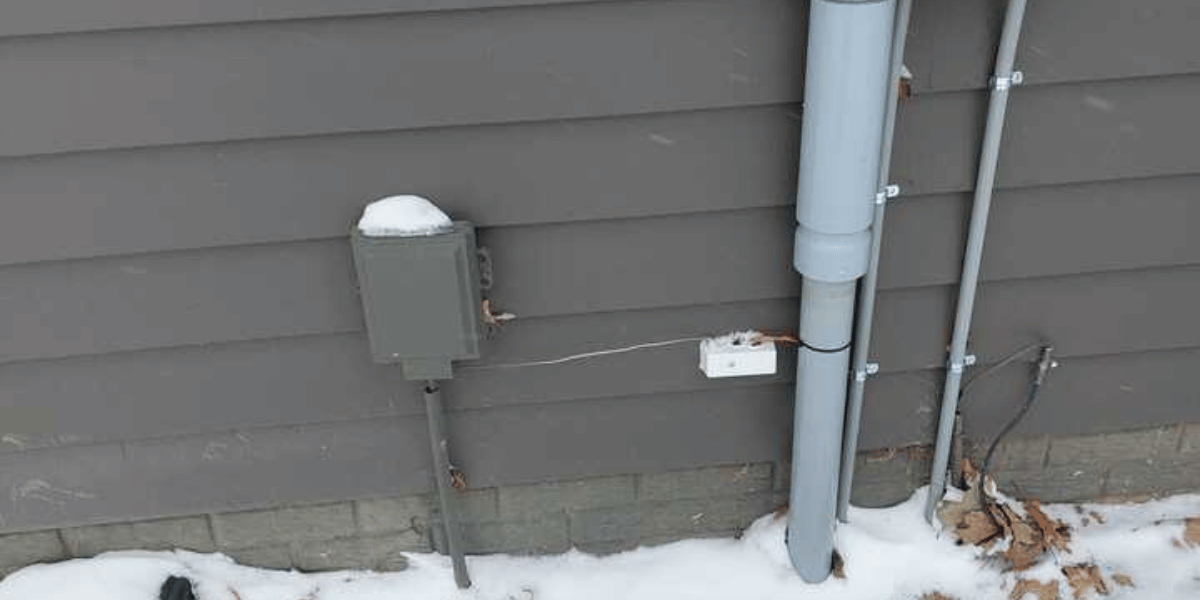
You already know electricity is powerful, and you definitely know it can be dangerous. But there is a moment where the explanations start to sound like a magic show. Someone says the word “grounding,” and suddenly you are nodding your head even though you are thinking, Where exactly is this electricity supposed to go, and why does everyone talk about dirt like it is a superhero?
At Integra Electrical, we work in homes every single day. Many of them are older homes where grounding was skipped, ignored, or written off as “not a big deal.” We have seen outlets burn, appliances get cooked, and homeowners take shocks because someone tried to save a little money or claimed grounding was unnecessary. It matters. It always has.
Before the end of this article, you will know:
- Why electricity goes to the ground instead of you
- How grounding protects your home when something goes wrong
- Why grounding problems cost more when ignored
Why Electricity Goes to the Ground Instead of You
Electricity is always looking for a place to go. It is like water in a rainstorm. It does not want to hang out in one spot. It wants a clear path home. In a perfect world, electricity stays inside the wiring, does its job, and goes back to the source. But when something goes wrong, it looks for the fastest exit.
That exit could be metal, a wet surface, or you. And nobody wants to be the shortcut. When your electrical system has a proper ground, it gives stray electricity a clear path into the earth so your body is not part of the plan.
Think of grounding like an emergency lane on a highway. Most of the time you do not need it. But when a car breaks down or debris hits the road, that extra space keeps everything safe. Electricity works the same way. A good ground gives it somewhere safe to go, so your fingers, appliances, and walls are not the target.
Without grounding, electricity can treat your house like a maze. It will try anything to get out, including jumping through metal fixtures or shocking someone who touches the wrong thing at the wrong moment. Grounding keeps the exit boring and predictable. And boring is exactly what you want when it comes to electrical safety.
How Grounding Protects Your Home When Something Goes Wrong
Grounding is a safety valve. You may never notice it working, and that is the point. When a wire loosens, insulation wears down, or a device fails, grounding steps in and takes the hit so your house does not.
A grounded system helps prevent shocks, fires, and burnt-up appliances. It gives dangerous energy a straight path out of your home instead of allowing it to wander around like a raccoon in a kitchen. Most homeowners never see the danger, because grounding does its job quietly in the background.
Here is the part some contractors gloss over just to keep a price low. Ungrounded systems are cheap to ignore until something fails. A breaker trips for a reason. A scorch mark happens for a reason. Those tiny warnings are your system asking for help. Grounding gives the electricity somewhere safe to go when problems show up. Without it, the damage spreads faster and costs more.
Grounding is not about panic or fear. It is about giving electricity a clear exit so you never have to deal with the ugly side of it. It protects the things you touch and the things you rely on. That is what a good electrical system is supposed to do.
Why Grounding Problems Cost More When Ignored
Electrical problems do not fix themselves. If a home is missing grounding or has outdated grounding, the cost usually shows up later in a bigger way. A small repair today can easily turn into panel work, rewiring, appliance replacements, or fire damage if it is ignored long enough. That is not fear. That is just how electricity behaves when there is nowhere safe to go.
Some companies brush grounding off because it slows the job down or makes the price look higher. But skipping grounding is like skipping brakes on a car. It moves the price in the right direction, but the story does not end well.
A grounded system handles small failures before they turn into major failures. It protects your electronics, protects your investment, and protects you. If you are living in an older home, grounding issues are extremely common, and waiting rarely saves anyone money. The sooner a grounding issue gets corrected, the cheaper and safer the outcome.
Next Steps
If you have questions about grounding or you want a licensed electrician to take a quick look, the easiest thing to do is simply schedule service. There is no pressure. It is just a chance to make sure your home has the protection it needs and that electricity has a safe place to go when something goes wrong.
You deserve a system that looks out for you instead of the other way around.
FAQs
How do I know if my home is grounded?
Most homeowners cannot tell by looking. A licensed electrician can test outlets, inspect the panel, and confirm whether the grounding path is safe and continuous.
Is grounding only an issue in old homes?
No. Older homes are more likely to have problems, but grounding can fail in newer homes if work was rushed or shortcuts were taken.
Does grounding stop power surges?
Grounding helps, but it does not replace proper surge protection. Surges need dedicated protection to keep electronics safe.
Can I just ignore grounding if everything still works?
You can, but it is a gamble. Everything works until it does not. Grounding is cheap compared to the problems that show up when electricity has no safe exit path.
Daniel Carpenter is a licensed electrician on Integra’s installation team. He got his license at just 19, but he's been around the trade his whole life. With five years on the job and a heart for helping homeowners, Daniel takes pride in doing quality work that serves the local community.
