
What Year Was Your Des Moines Home Built? Here's What That Means for Your Wiring
June 25th, 2026
3 min read
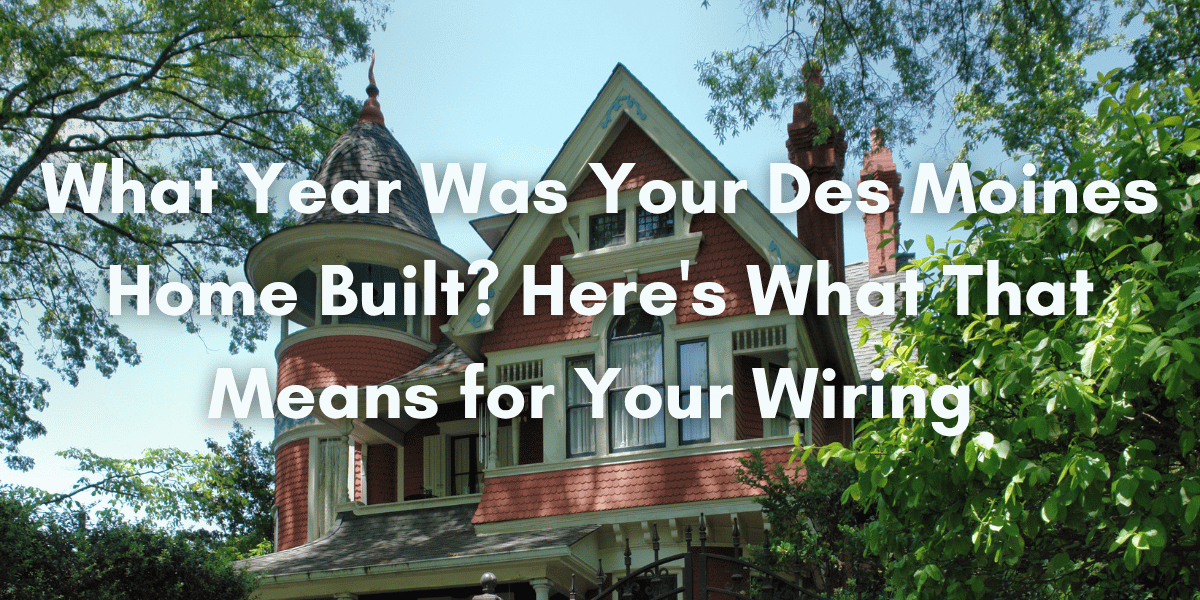
If your home could talk, it would have some stories to tell. And one of the most important details it could share is the year it was built.
Why? Because that date can tell you a lot about what's hiding behind your walls.
A home built in the 1950s may have ungrounded outlets. A home built in the 1970s could have an outdated electrical panel. A home built after 2000 likely has safety features that older homes were never designed to have. In many cases, the year your home was built can reveal potential electrical problems before you ever remove a cover plate or open a panel.
At Integra Electrical, we've inspected and upgraded wiring in homes throughout Des Moines, Ankeny, West Des Moines, Indianola, and the surrounding Iowa communities. From older Beaverdale homes with original wiring to newer homes in Waukee, we've seen how different building eras come with different electrical challenges.
Before the end of this article, you will learn what wiring to expect in homes built:
What Wiring to Expect in Homes Built Before
1960
If you live in an older Des Moines home, you probably love its character. Maybe it has original hardwood floors, beautiful trim, or built-in cabinets that newer homes often lack.
The electrical system may be original, too.
Many homes built before 1960 were designed long before computers, phone chargers, and air fryers became part of daily life. Because of that, their electrical systems often struggle to keep up with modern demands.
In homes from this era, we commonly find:
- Ungrounded two-prong outlets
- Older wiring methods
- Small electrical panels
- Too few outlets for today's families
- Decades of electrical modifications and repairs
In neighborhoods like Beaverdale and Sherman Hill, it's common to find homes with a mix of old and newer electrical work. That doesn't automatically mean there's a problem. Many older homes are perfectly safe.
The important thing is knowing what you have. If your home was built before 1960, an electrical inspection can help identify outdated equipment and safety concerns before they turn into larger issues.
What Wiring to Expect in Homes Built From 1960 to 1999
If your home was built between 1960 and 1999, you're in the most common age range we see around Des Moines and the surrounding suburbs.
These homes were built with more modern electrical systems than earlier homes, but many are now 25 to 65 years old. That's old enough for wear and tear to start showing up.
In homes from this era, we commonly find:
- Grounded three-prong outlets
- Larger electrical panels than older homes
- Aluminum wiring in some homes built during the late 1960s and early 1970s
- Outdated panels such as Zinsco, Pushmatic, or Wadsworth models
- Electrical systems that weren't designed for EV chargers, hot tubs, or home offices
Many homeowners in areas like Urbandale, Johnston, and older parts of West Des Moines discover that their electrical system works fine until they want to add something new. That's often when limitations begin to show.
The good news is that many homes from this era don't need a complete rewire. In many cases, targeted upgrades such as a panel replacement or new circuits can help the system meet today's needs.
What Wiring to Expect in Homes Built After 2000
If your home was built after 2000, your electrical system is likely much closer to today's standards.
These homes were designed for modern appliances, electronics, and larger electrical loads. They also benefit from newer safety requirements that weren't common in older homes.
In homes from this era, we commonly find:
- Larger electrical services and panels
- More outlets throughout the home
- Better grounding systems
- AFCI and GFCI protection in many areas of the home
- Electrical systems designed for modern lifestyles
That doesn't mean newer homes never have electrical issues. Iowa's summer storms, winter weather, and humidity can still take a toll on outdoor equipment and electrical connections over time.
The biggest advantage of a newer home is that you're less likely to be dealing with outdated wiring. Instead, most electrical concerns involve maintenance, storm damage, or upgrades to support new technology and growing power needs.
How Can You Find Out What Wiring Is Actually In Your Home?
The year your home was built can tell you a lot about what may be behind your walls. But it's only part of the story.
Many Des Moines homes have been remodeled, added onto, or partially rewired over the years. We've seen homes built in the 1950s with brand-new wiring and homes built in the 1990s with electrical systems that need attention.
The only way to know exactly what you're working with is to have the system inspected.
If you're concerned about the age of your wiring, planning a renovation, or thinking about adding something like an EV charger or hot tub, a professional inspection can help you understand what upgrades may be needed.
Ready to get answers? Schedule an electrical inspection with Integra Electrical, and we'll help you understand the condition of your home's electrical system.
Not ready to schedule service yet but still thinking about upgrading? Check out our article on the 3 biggest problems you may face when upgrading your older home.
FAQ
Is old wiring always dangerous?
No. Age alone doesn't make wiring dangerous. The condition of the wiring and whether it has been properly maintained matter much more.
How do I find out when my house was built?
You can usually find your home's build date through county property records, your closing paperwork, or your local assessor's website.
Do older Des Moines homes need rewiring?
Some do, but many don't. Many older homes only need targeted upgrades rather than a complete rewire.
What is the most common electrical problem in older Iowa homes?
Ungrounded outlets, outdated electrical panels, and overloaded circuits are some of the most common issues we find during inspections.
Dyllan has over a year of experience in the electrical field and is passionate about helping his team and customers succeed. He’s motivated by seeing everyone grow and thrive together. Outside of work, he’s a husband and proud father of two who loves spending time with his kids. Dyllan enjoys serving homeowners and building meaningful connections through every interaction.
