

What Is a Tandem Breaker (And Why Your Panel Might Have Them)
January 26th, 2026
4 min read
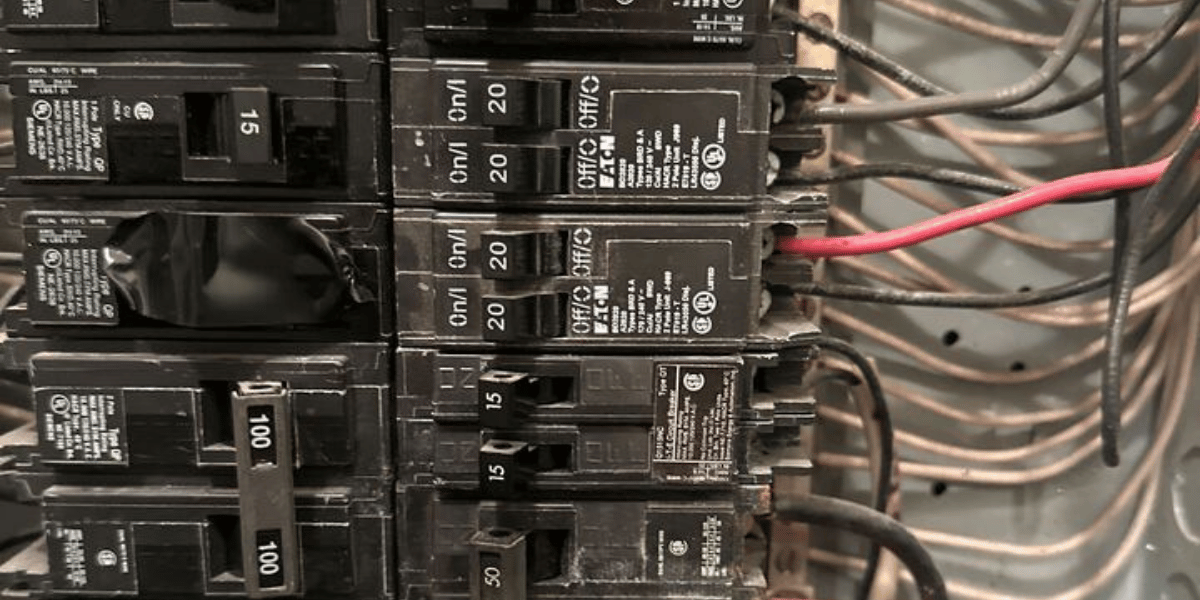
You open your electrical panel for the first time in a while. Maybe you are flipping a breaker. Maybe you are just being curious. Either way, something catches your eye. Some breakers look normal. Others look like they brought a friend. Two switches crammed into one spot. Nothing is on fire. Nothing is obviously broken. But it feels a little like opening a fridge that is way too full and wondering how the door is still closing.
At Integra Electrical, we see this all the time, especially in older homes. Tandem breakers are not rare, and they are not automatically bad. They usually show up when a home slowly grows more electrical needs than it was originally designed for. One new appliance here. A remodel there. Eventually the panel gets creative just to keep up.
Before the end of this article, you will know:
- What a tandem breaker actually is and why it exists
- When tandem breakers are a smart, acceptable solution and when they are not
- How tandem breakers can quietly signal that your panel is at its limit
What a Tandem Breaker Is
A tandem breaker is a breaker that fits two separate circuits into the space normally used by one. Instead of one switch controlling one circuit, you get two smaller switches sharing the same slot in the panel. It is not a trick. It is not a hack. It is an actual product designed for a specific purpose.
The easiest way to picture this is bunk beds. If you have one kid and one bed, great. When a second kid shows up, you can either build another bedroom or stack the beds. Tandem breakers are the stacked bed option. They let you power more things without physically expanding the panel.
This is why they are common in older homes. Houses built decades ago were not designed for air fryers, home offices, electric fireplaces, or that mystery freezer in the basement that no one remembers buying. When the panel runs out of open spaces, a tandem breaker can create room for one or two additional circuits.
Here is the important part. Tandem breakers do not create more power. They only organize it differently. Think of it like adding more power strips to the same outlet. Everything might still work, but the system underneath is carrying the same load.
When Tandem Breakers Make Sense and When They Do Not
Tandem breakers can be perfectly acceptable when they are used the right way, in the right panel. Some electrical panels are designed to handle them. They have specific slots that are built to safely accept tandem breakers without stressing the system. When installed correctly, they can be a thoughtful solution, not a shortcut.
This usually happens in older homes that have had modest updates over time. Maybe a kitchen circuit was added. Maybe the basement got finished. A tandem breaker gave the panel just enough flexibility to support those changes without everything falling apart. In these situations, tandem breakers are doing their job quietly and safely.
Where things go wrong is when tandem breakers are used just to make space, regardless of whether the panel was designed for them. This is the electrical version of sitting on a suitcase to get it to zip. Sure, it closes. That does not mean it is happy about it.
If a panel is already full and working hard, adding tandem breakers can push it past its comfort zone. You might not notice right away. The lights stay on. The breakers still reset. But behind the scenes, the system is being asked to do more than it was built to handle.
How Tandem Breakers Can Be a Quiet Warning Sign
Tandem breakers often show up when a home has slowly outgrown its electrical panel. Not overnight. Not because of one bad decision. Just years of adding things that seemed reasonable at the time. A new appliance. A remodeled room. A few extra outlets. The panel keeps saying yes, even when it is getting tired.
This is why tandem breakers are not automatically a problem, but they are always worth paying attention to. They can be a clue. Sometimes they mean someone planned carefully and stayed within safe limits. Other times they mean the panel has been asked to do gymnastics when it really needed a rest.
Think of your panel like a bookshelf. Adding one more book is fine. Stacking books horizontally on top of already sagging shelves is not a long term plan. Tandem breakers can be that extra stack. Everything still looks upright, but the shelf is starting to bow.
If you have tandem breakers, it does not mean you need to panic. It does mean it is smart to have the panel looked at as a whole. Not just to see what fits, but to understand what the system is carrying and whether it still makes sense for how you live in your home today.
Next Steps
If you have tandem breakers, the goal is not to panic. It is to understand what they are doing in your home.
A quick panel check can answer some important questions. Is your panel designed for tandem breakers? Are they being used intentionally or just to make space? Is your system comfortably handling your home, or quietly stretched thin?
Often, the answer is simply peace of mind. Other times, it helps you plan ahead instead of being surprised later. Either way, knowing where you stand makes everything easier.
If you would like help understanding your panel, you can schedule service with our team. We will explain what you are seeing, talk through your options, and keep the conversation straightforward and pressure free.
Frequently Asked Questions
Are tandem breakers dangerous?
Not by default. Tandem breakers are a real, approved product. When they are installed in a panel designed for them and used within limits, they can be perfectly safe. Problems usually come from how and where they are used, not from the breaker itself.
How can I tell if my panel is meant for tandem breakers?
That part is tricky. From the outside, many panels look the same. The details that matter are inside the panel and on the manufacturer label. This is one of those moments where guessing does not help much. A quick look by an electrician can give you a clear answer.
Do tandem breakers mean my panel is overloaded?
Not always. Sometimes they were part of a smart plan. Other times they are a sign the panel is doing more work than it should. Think of them less as a verdict and more as a clue that deserves context.
Should tandem breakers be replaced with a bigger panel?
Only if the panel has truly outgrown the home. Some homes live long, happy lives with a few well placed tandem breakers. Others are clearly ready for more capacity. The right answer depends on the whole system, not just one breaker.
Dyllan has over a year of experience in the electrical field and is passionate about helping his team and customers succeed. He’s motivated by seeing everyone grow and thrive together. Outside of work, he’s a husband and proud father of two who loves spending time with his kids. Dyllan enjoys serving homeowners and building meaningful connections through every interaction.
