

Standby Generators vs. Portable Generators: What You Need to Know
April 30th, 2026
3 min read
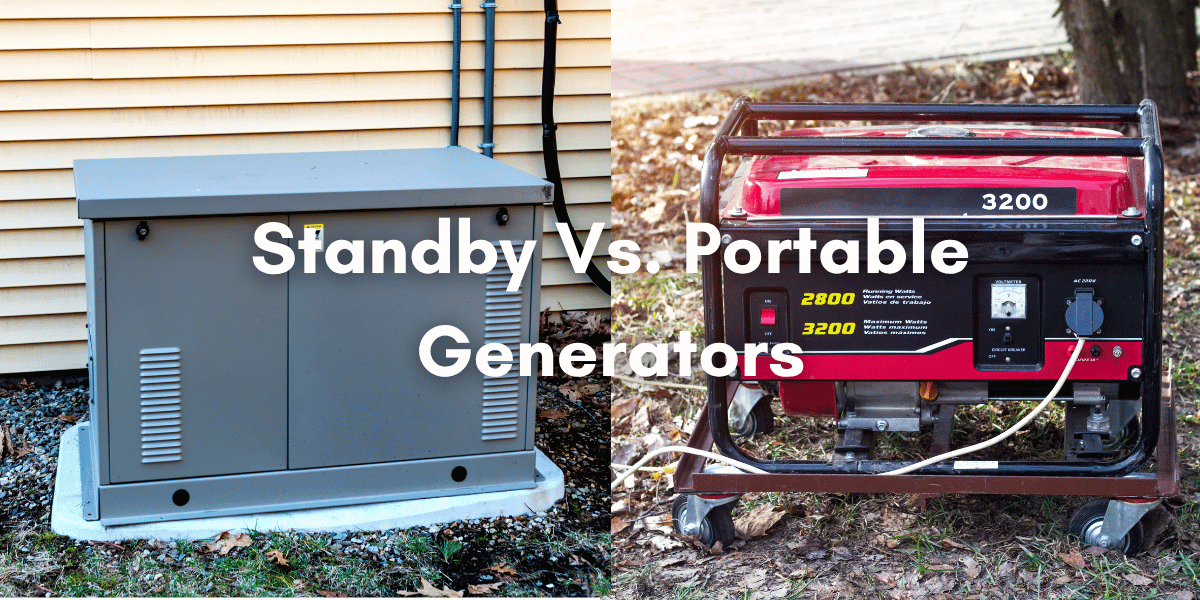
The power goes out and everything changes in an instant.
The house gets quiet in a way that does not feel peaceful. The fridge stops humming. The lights snap off. The air gets still. You open the freezer and immediately start doing mental math about how long your food will last. You check your phone battery like it suddenly became gold. If it is winter, the cold starts creeping in. If it is summer, the heat wraps around you like a wet blanket.
And then there is that deeper thought that most people do not say out loud.
What happens if this lasts longer than a few hours?
That is the moment when this stops being an inconvenience and starts becoming a problem.
At Integra Electrical, we talk to homeowners every single week who thought they had a plan until the lights actually went out. Some made it through just fine. Others ended up dealing with spoiled food, freezing nights, or unsafe generator setups that put their family at real risk.
Before the end of this article, you will know:
- What a standby generator is and what it really costs
- What a portable generator is and where it falls short
- Which option is actually right for your home and your situation
What Is a Standby Generator and What Does It Really Cost?
A standby generator is a permanent system that turns on automatically when your power goes out.
You do nothing. It senses the outage and restores power in seconds.
It connects directly to your home and usually runs on natural gas or propane. Your lights, fridge, and heating or cooling stay on like nothing happened.
Now the honest part. The cost.
- Equipment: $5,000 to $15,000
- Installation: $5,000 to $15,000
- Total: $10,000 to $30,000+
If your home needs more electrical work, like rewiring or panel upgrades, that price goes up. That is normal.
Maintenance runs a few hundred dollars a year.
So why do people pay this?
Because it removes stress and risk.
There are no extension cords, no guessing, and no dangerous setups. Everything is installed safely and works automatically.
It is not cheap. But it is the only option that keeps your home running without you scrambling.
What Is a Portable Generator and Where It Falls Short
A portable generator is exactly what it sounds like. It is a unit you store, move, and start yourself when the power goes out.
It can keep a few things running. A fridge. Some lights. Maybe a small heater or window AC. But not your whole home.
Now the cost.
- Unit: $500 to $2,500
- Add-ons like cords or transfer switch: $200 to $2,000
- Fuel: ongoing and unpredictable
It looks cheaper upfront. And it is. But the tradeoff shows up fast.
You have to be home. You have to set it up. You have to refuel it. Usually in bad weather. Usually in the dark.
And here is where we need to be very clear.
Portable generators can be dangerous if used wrong.
Running one too close to your home can lead to carbon monoxide buildup. That can be deadly. Not uncomfortable. Not risky. Deadly.
Improper wiring can also backfeed power into your home or the grid. That can damage your system or seriously injure someone working on power lines.
This is where people get into trouble trying to save money.
A portable generator gives you control. But it also puts responsibility on you every single time the power goes out.
It can work. But it is never as simple or as safe as people expect.
Standby vs. Portable Generators: Which One Is Right for You?
This is not really about generators. It is about how you want to live when the power goes out.
If you want your home to keep running like nothing happened, a standby generator is the answer. It is automatic, safe, and reliable. You pay more upfront, but you remove stress completely.
If you are okay managing the situation, a portable generator can work. It costs less, but you are trading money for effort, inconvenience, and risk.
Here is the honest breakdown:
Standby generator:
- High upfront cost
- Runs your home automatically
- Safest and most reliable option
Portable generator:
- Lower upfront cost
- Limited power
- Requires setup every time
- Higher risk if used incorrectly
Now the real question.
How comfortable are you with uncertainty?
If the idea of rushing outside in the middle of a storm to start a generator does not bother you, a portable unit might be enough.
If the thought of your heat shutting off, your sump pump failing, or your family being in the dark makes your stomach tighten, that is your answer.
Most people are not choosing between two machines. They are choosing between peace of mind and managing a problem every time it happens.
There is no wrong choice. But there is a choice that fits your life better.
And if you are not completely sure, that is exactly where a licensed electrician comes in.
What Should You Do Next to Protect Your Home and Family?
If you are unsure, that is normal. This is a real decision.
Start simple.
Figure out what actually matters during an outage. Heat. Fridge. Sump pump. That tells you what kind of system you need.
Then look at real numbers. Not guesses. You can start with our full electrical price guide to understand what projects like this actually cost.
And then talk to a licensed electrician.
This is where risk disappears. No guessing. No dangerous setups. Just a clear answer for your home.
If you are ready, you can schedule service with a licensed electrician and get real answers fast.
Frequently Asked Generator Questions
Is a standby generator worth the cost?
If you want your home to run normally during an outage, yes. You are paying for reliability and peace of mind, not just power.
Can a portable generator power my whole house?
No. It can handle a few essentials, but not everything at once.
Are portable generators dangerous?
They can be if used wrong. Carbon monoxide and improper wiring are real risks.
Can I install a generator myself?
No. This is not a safe DIY project. A licensed electrician is the right way to do it.
Dyllan has over a year of experience in the electrical field and is passionate about helping his team and customers succeed. He’s motivated by seeing everyone grow and thrive together. Outside of work, he’s a husband and proud father of two who loves spending time with his kids. Dyllan enjoys serving homeowners and building meaningful connections through every interaction.
