

What Happens When Rodents Chew Electrical Wiring in Your Home?
March 10th, 2026
3 min read
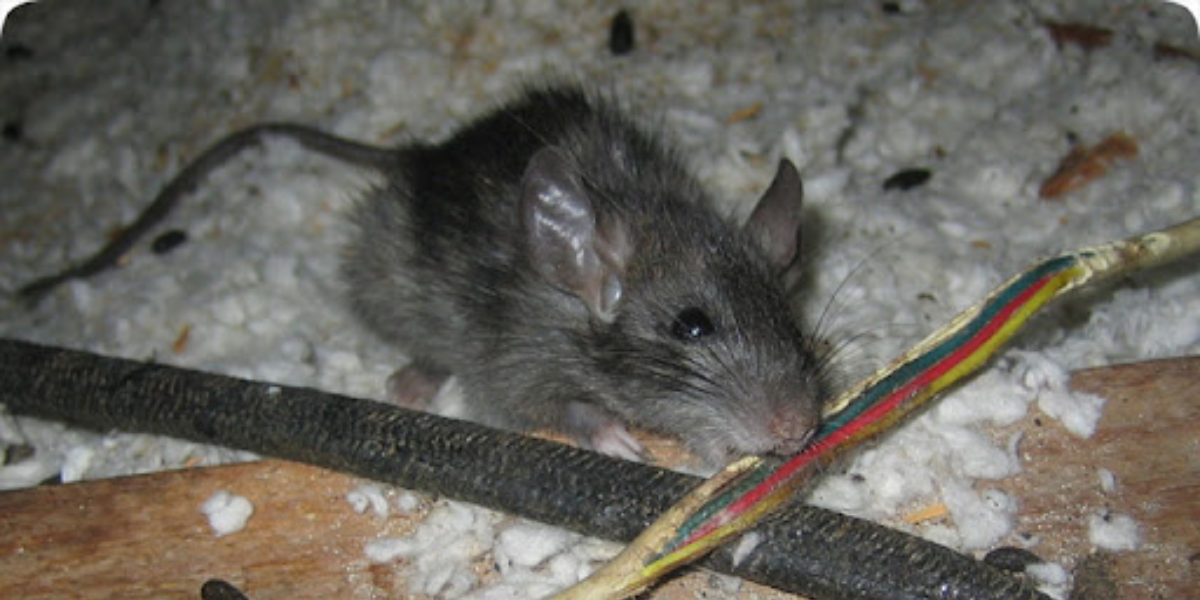
You hear scratching in the attic at night. Or maybe it is inside a wall. You tell yourself it is probably nothing. Houses make noises.
Then a breaker trips....A light flickers....An outlet stops working.
And now your mind goes somewhere you did not want it to go. What if something is chewing on the wiring inside your walls?
That fear is not dramatic. It is valid. Electricity is not something you can see. When it is damaged behind drywall, it does not politely announce itself. It waits. And that is what makes this so unsettling.
At Integra Electrical, we have opened walls and found wiring that was chewed almost bare. We have seen attic cables shredded by rodents looking for nesting material. We have walked into homes where homeowners had no idea anything was wrong until their electrical system started failing in strange ways. This is more common than most people think, especially in older homes.
Before the end of this article, you will know:
- What actually happens when rodents chew electrical wiring
- Why this is more dangerous than most homeowners realize
- Signs rodents may be damaging wiring in your home
What Actually Happens When Rodents Chew Electrical Wiring
Electrical wiring has a metal core that carries power and a protective outer coating that keeps that power safely contained. That outer layer matters more than most people realize.
When rodents chew on your wiring, this happens:
- The protective coating gets stripped away.
- The live metal inside becomes exposed.
- Exposed wires can spark or overheat.
- Damaged wires can touch other wires or metal and create a short circuit.
- Electricity keeps trying to move through a weakened path, which creates heat.
- That heat builds inside your walls where you cannot see it.
Think of that outer coating like skin. When skin is intact, everything underneath is protected. When it is torn open, even a small injury can turn serious fast. Wiring works the same way.
We have opened walls and found wires chewed so badly the copper inside was nearly cut in half. Electricity was still running through it. That is not safe. That is a fire risk waiting for the right conditions.
Rodents are not doing cosmetic damage. When they chew wiring, they are creating real hazards that can lead to electrical failure or fire.
Why This Is More Dangerous Than Most Homeowners Realize
Here is what most people underestimate.
Rodent damage does not always cause an immediate failure. The lights may still work. The outlet may still function. That false sense of normal is what makes it dangerous.
When wiring is partially chewed, electricity still flows through it. But now it is moving through a damaged path. That creates heat. And heat builds quietly behind drywall and insulation.
We have opened walls and found wiring badly chewed, breakers tripping repeatedly, and outlets dead with no clear explanation. In some homes, entire sections had to be replaced because the damage was too severe to safely repair.
We are not saying this to scare you. We are saying it because we have seen it.
Unfortunately, mice are not licensed electricians.
When exposed wires sit too close together, electricity can jump between them. That jump creates intense heat in a small space. Inside a wall filled with dry wood and insulation, that is a real fire risk.
Your breaker may trip. It may not. If it does not, that does not mean it is safe. It means the problem is still hiding.
Rodent damage can be serious if not carefully examined. In some cases, damage is minor and only requires a small repair, but in others ignoring it could lead to expensive repairs and dangerous consequences.
Signs Rodents May Be Damaging Wiring in Your Home
Most homeowners do not see chewed wiring until a wall is opened. But your home usually gives clues.
Here are signs this may already be happening:
- Scratching or scurrying sounds in walls or the attic
- Outlets that suddenly stop working
- A faint burning smell with no obvious source
- Visible droppings in the attic near insulation and wiring
- Small chew marks on visible cables in basements or utility rooms
- If you are noticing several of these signs together, do not ignore them. This is the point where you take action.
Waiting can lead to:
- Electrical fires inside your walls
- Ongoing breaker problems
- Damaged appliances
- Larger sections of wiring needing replacement
- Much more expensive repairs than if it had been caught early
Because wiring does not fail all at once. It weakens quietly. A damaged wire may function for months, then suddenly overheat under a heavier load. Working does not always mean safe. It often just means the breaking point has not happened yet.
When it comes to chewed wiring, waiting is what turns a manageable repair into a costly problem.
Next Steps
If rodents have been in your walls and your electrical system is acting strange, now is the time to act.
Many homeowners call pest control first. Removing the rodents is important. But that does not repair the wiring damage. We often get called months later after electrical issues begin.
Hidden wiring damage does not fix itself. It gets worse.
A licensed electrician can inspect the wiring, find any chewed sections, and repair the damage before it turns into something far more expensive or dangerous.
Do not wait for a breaker to fail or for smoke to tell you something is wrong.
In many cases, when the issue is found early, repairs are manageable and localized. The danger increases the longer it goes unchecked.
Take action now and schedule service so we can inspect your wiring and give you a clear, safe plan forward.
FAQ
Can rodents really cause a house fire?
Yes. When they chew through wiring, it can expose live metal, create sparks, and cause overheating inside your walls. That is a real fire risk.
Will my breaker protect me?
Sometimes. But not always. If the damage is partial, the breaker may not trip right away. That does not mean it is safe.
Do I have to rewire my entire home?
Not usually. In many cases, only the damaged sections need to be repaired or replaced. The key is catching it early before the problem spreads.
Daniel Carpenter is a licensed electrician on Integra’s installation team. He got his license at just 19, but he's been around the trade his whole life. With five years on the job and a heart for helping homeowners, Daniel takes pride in doing quality work that serves the local community.
