

Why an Overloaded Electrical Panel Is a Bigger Problem Than It Looks
January 29th, 2026
3 min read
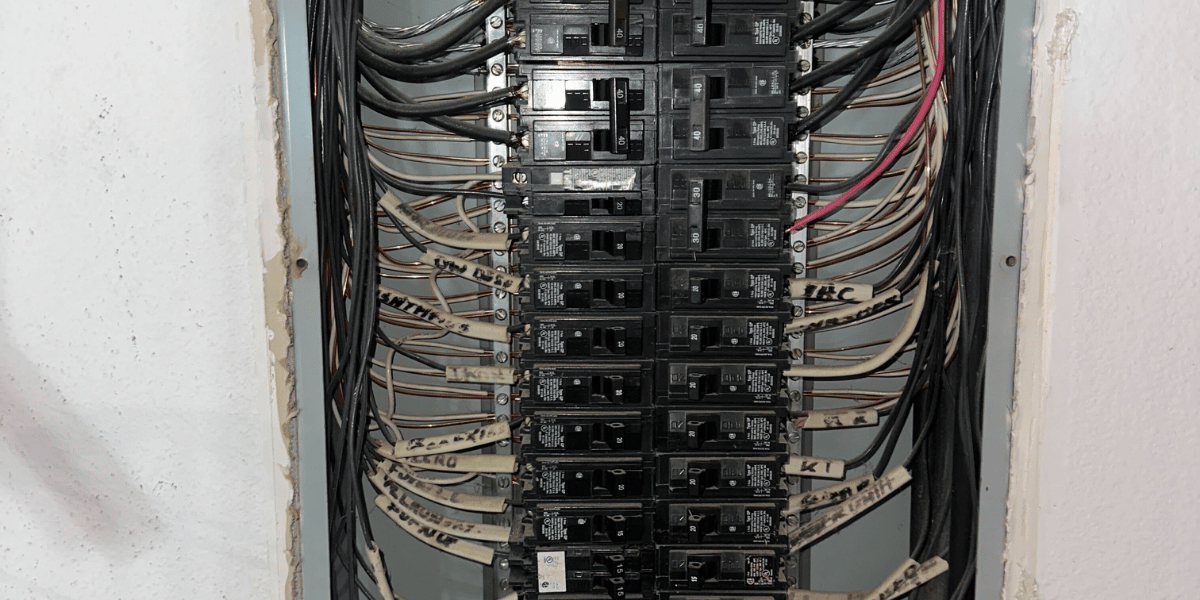
You flip a breaker. Again.
The microwave shuts off when the air fryer turns on. The house is not broken, but it feels annoyed with you. Like it is sighing every time you try to make dinner and charge your phone at the same time.
Most homeowners assume this is just part of living in an older home. Nothing is smoking. Nothing is sparking. Everything technically works. So it feels silly to worry about it. You reset the breaker and move on.
At Integra Electrical, we see overloaded electrical panels all the time. Not in extreme situations. In normal homes with normal people just trying to live modern life inside systems that were never designed for it. The problem is not loud or dramatic. That is exactly why it gets ignored.
Before the end of this article, you will know:
- Electrical panels have limits, even when everything still works
- Tripping breakers are a warning, not the problem
- Overloaded panels create ongoing stress inside your electrical system
Electrical Panels Have Limits, Even When Everything Still Works
Your electrical panel has a job. It takes power coming into your home and safely sends it where it needs to go. That job comes with limits, even if nothing looks broken.
Most older homes were designed for a much simpler version of life. A few lights. A TV. Maybe a toaster that felt fancy at the time. Today, that same panel is expected to handle air fryers, space heaters, gaming systems, home offices, and chargers everywhere.
An overloaded panel is a lot like a group text with too many people in it. Messages still go through, but replies get delayed and things get missed. Your panel reacts the same way, struggling quietly long before anything actually stops working.
That is what makes overload so frustrating. Lights may dim when appliances start. Breakers trip only sometimes. The inconsistency makes it easy to ignore.
When a panel is constantly asked to do more than it was designed for, it stays under pressure. That ongoing strain is what leads to the small issues homeowners feel but cannot quite explain.
Tripping Breakers Are a Warning, Not the Problem
When a breaker trips, it feels like the problem. Everything shuts off, dinner pauses, and your first reaction is usually annoyance. You flip it back on and move on.
But a tripping breaker is not a failure. It is your panel doing exactly what it is designed to do.
Think of it like your phone warning you that the battery is at one percent. The alert is inconvenient, but the real issue is what is happening underneath. Breakers work the same way. They shut things down when too much electricity is being pulled at once, protecting the wiring and devices.
This is where overload shows up. When a panel is stretched thin, normal daily use can push circuits past their limits. Running a few appliances at the same time should not feel like a gamble, but sometimes it does.
Many homeowners adjust without realizing it. You learn which outlets to avoid or which combinations cause trouble. That workaround is your home quietly asking for help.
Overloaded Panels Create Ongoing Stress Inside Your Electrical System
An overloaded panel does not usually fail all at once. It wears down slowly, the same way your body does when it never gets a day off. You can function under stress for a while, but eventually something starts to ache.
When a panel is constantly pushed near its limit, the internal parts work harder than they were meant to. Connections heat and cool over and over. Breakers fatigue. The system becomes less forgiving, even during everyday use.
This stress also limits your home. Adding a new appliance, updating lighting, or making simple upgrades can feel complicated or off the table altogether. Not because those things are unreasonable, but because the panel is already maxed out.
The frustrating part is that nothing forces your hand. There is no dramatic moment that says “now you must fix this.” Instead, you live with small inconveniences, workarounds, and uncertainty, hoping nothing changes.
The good news is that addressing overload is usually about creating breathing room, not tearing your house apart. When your panel has capacity again, everything else in your home starts working the way it should.
Next Steps
If your panel feels overworked, the most helpful next step is understanding what it is being asked to handle today. That means looking at how power is distributed, where strain is showing up, and whether your system has room to support your daily use.
Once you have that clarity, decisions feel easier and less stressful. If you are ready to get answers instead of guessing, you can schedule service to have your panel evaluated by a licensed electrician who can walk you through what makes sense for your home.
Frequently Asked Questions
How do I know if my electrical panel is overloaded?
Common signs include breakers that trip often, lights that dim when appliances turn on, outlets that feel warm, or needing to avoid running certain things at the same time. If your home feels like it has “rules” about when you can use power, that is usually a clue.
Is an overloaded panel dangerous?
An overloaded panel does not mean your home is about to fail. It does mean your system is under constant stress. Over time, that stress can lead to worn components, limited capacity for upgrades, and more frequent electrical issues.
Can I just add another breaker to fix the problem?
Not always. Adding breakers does not increase the amount of power your panel can safely handle. In many cases, it just spreads the same load thinner, which does not solve the root issue.
Does fixing an overloaded panel always mean replacing it?
No. Sometimes the solution is redistributing the load or addressing specific problem areas. Other times, a panel upgrade makes sense. The right answer depends on how your home uses power today.
What should I do if I am not sure?
The best first step is understanding what your panel is actually handling. If you want clear answers instead of guessing, you can have your system evaluated and explained in plain language.
Daniel Carpenter is a licensed electrician on Integra’s installation team. He got his license at just 19, but he's been around the trade his whole life. With five years on the job and a heart for helping homeowners, Daniel takes pride in doing quality work that serves the local community.
