

When the power goes out, most homeowners feel the same combination of worry and annoyance. You are standing there in the quiet, staring at the microwave clock that is now completely blank, wondering how long you have before the house starts feeling uncomfortable. And if you are thinking about getting a generator, you are probably trying to understand how these things actually work without needing an engineering degree. You are not alone. Most explanations online read like you accidentally wandered into a college lecture.
At Integra Electrical, we explain this stuff every day in plain language. No jargon. No confusing diagrams. And no brushing you off with the classic industry shortcut of "it just works." You deserve better than that.
Before the end of this article, you will know:
- What a generator really does when the power goes out
- The key parts inside a generator and what they actually do
- How that electricity gets from the generator into your home
What a Generator Really Does When the Power Goes Out
A generator has one basic job. It turns movement into electricity. That is it. No secret magic. No hidden tricks. When the power from the utility company stops, the generator steps in and makes its own power by getting something inside of it to spin.
The simplest way to picture this is to think about those old bike lights that only turned on when you pedaled. The faster the wheel spun, the brighter the light got. A generator works on the same idea. Something moves, and that movement becomes electrical energy.
Here is what actually happens when the power goes out.
The generator senses the outage, starts its engine, and begins spinning its internal parts. That spinning creates electricity that gets sent to your home. It is basically a backup player waiting on the sidelines, ready to jump in the moment the main power source fails.
The beauty of it is that you never have to stand outside in the rain pulling ropes or flipping mystery switches. Once installed correctly, a generator simply turns on when you need it and turns off when you do not. It is one of the few things in life that behaves exactly when you want it to, which already makes it more reliable than most to-do lists and about half of the appliances in the average basement.
The Key Parts Inside a Generator and What They Actually Do
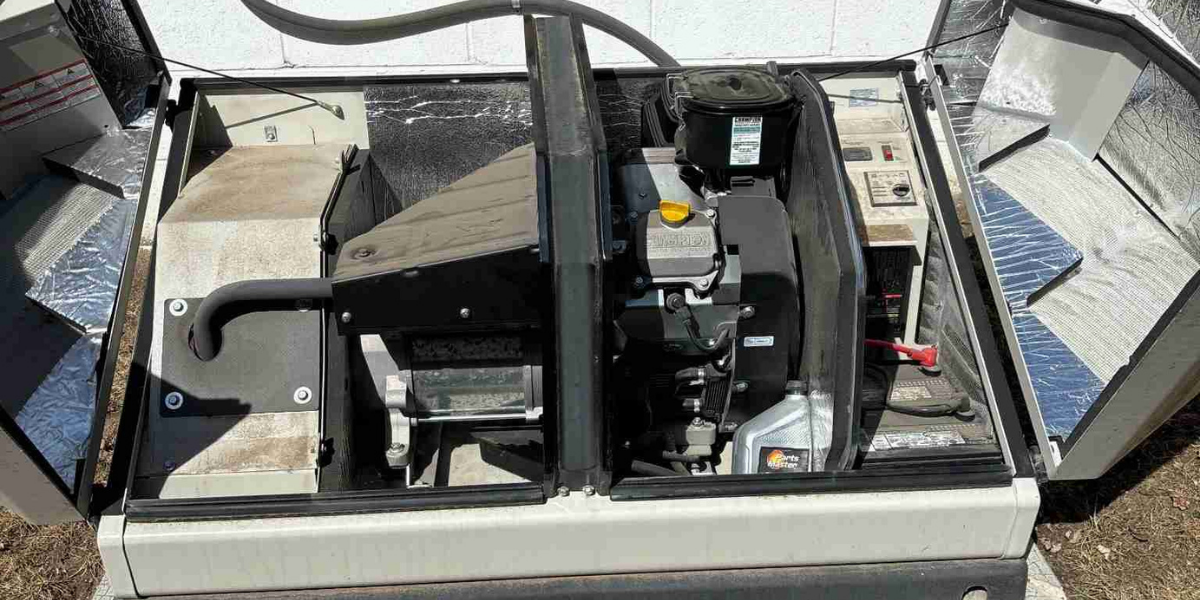
Even though a generator might look like one solid box sitting outside your home, inside it is more like a small team working together. Each part has a job, and all of them have to play nicely with each other, or nothing works the way it should.
The engine - This is the part that starts running when the power goes out. It is almost like the generator’s heartbeat. When it runs, everything else can do its job.
Fuel - Your generator needs something to keep the engine going. Most homes use natural gas or propane. Think of fuel as the snack that keeps the generator energized. No fuel means no movement, which means no electricity.
A spinning shaft - When the engine runs, it spins a metal rod. Nothing fancy. Just a strong piece of metal turning quickly.
Magnets and coils - Here is where the magic feeling happens even though it is not magic at all. When magnets move past coils of wire, they create electricity. That is the core idea behind almost every power source in your life, from giant power plants to the charger brick in your kitchen drawer.
A helpful way to picture it is like shaking a flashlight that turns on when you move it. You are not charging anything with a cord. You are creating power because something inside the flashlight is moving. A generator does the same thing except on a much larger scale and it does not require you to shake anything which is a relief for everyone.
When all of these parts work together, you get steady, usable electricity that your home can rely on until the main power comes back. It is a simple idea wrapped in equipment that looks more complicated than it really is. The industry loves to make this sound mysterious. In reality, it is just movement turning into power. The end.
How That Electricity Gets From the Generator Into Your Home
Once the generator makes electricity, it needs a safe way into your home. That is the job of the transfer switch. Think of it as a simple on/off guard that decides which power source your home is connected to.
When the power goes out, the transfer switch disconnects your home from the utility lines and connects it to the generator. This keeps the two power sources from crossing, which protects your appliances and keeps utility workers safe.
After the switch changes over, the electricity from the generator flows through your home exactly like normal. Your lights, outlets, and appliances work the way they always do.
When utility power returns, the generator shuts off and the transfer switch moves your home back to normal power automatically. No buttons. No running outside in the dark. It handles the handoff for you.
Next Steps
If you are thinking about getting a generator, you do not have to figure it out on your own. Choosing the right size, the right fuel source, and the right setup can feel complicated, but it does not have to be. Our team helps homeowners with this every day and we keep the process simple and clear.
If you want help deciding what your home actually needs or you want a professional to look at your setup, we are here for you. Reach out anytime and we will walk you through your options so you can feel confident the next time the power goes out.
Frequently Asked Questions
How long can a generator run at one time?
Most standby generators can run for long periods as long as they have fuel and are in good condition. The limit usually comes from fuel supply or recommended maintenance intervals.
What size generator does the average home need?
Most homes fall into a common range, but the exact size depends on what you want to power during an outage. A quick walkthrough with a technician can narrow it down fast.
What kind of fuel do home generators usually use?
Most standby units run on natural gas or propane. Portable generators often run on gasoline.
How often should a generator be serviced?
Most manufacturers recommend yearly maintenance or after a certain number of running hours. Regular service helps the generator start reliably when you need it.
Dustin Ober is a licensed electrician on Integra’s installation team. Born and raised in Iowa, he brings four years of licensed experience and five years of dedication to the Integra family. Known by customers as professional and helpful, Dustin is dependable and always shows up ready to help. When he’s not working, you’ll likely find him outdoors—enjoying the same steady calm he brings to every job.
