

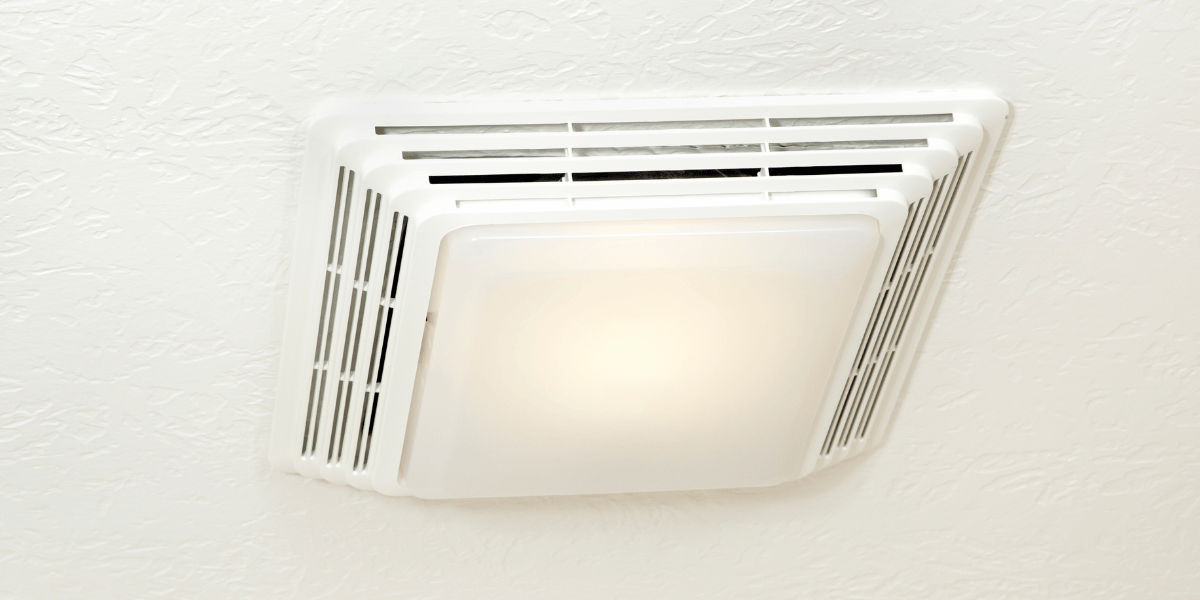
Bathrooms have a way of revealing problems you did not know you had. You turn on the shower, the room fills with steam, the mirror disappears, and the exhaust fan either hums along quietly or sounds like it is fighting for its life.
Most homeowners do not think about their exhaust fan until the bathroom stays damp, the fan gets painfully loud, or someone finally asks, “Is this thing actually doing anything?” That question usually leads to the next one: How much does an exhaust fan cost?
At Integra Electrical, we install and replace exhaust fans all the time. What surprises most homeowners is that pricing is rarely about the fan itself. It depends on what your home already has in place and how much work it takes to get moisture out of the room properly.
Before the end of this article, you will know:
- The average cost of installing an exhaust fan
- What drives the cost of an exhaust fan up
- What drives the cost of an exhaust fan down
Clear numbers. Honest explanations. And yes, we will talk about why some bathroom fans sound like they are preparing for takeoff.
Average Cost of an Exhaust Fan
For most homeowners, the installed cost of an exhaust fan lands between $350 and $1,200. That range feels wide, but it exists for a reason. Some installs are quick and polite. Others put up a mild fight.
Here is how that usually breaks down.
$350 to $500
This is the low end. It typically means you are replacing an existing exhaust fan with a new one, and the wiring and venting are already there and in decent shape. Think of it as a clean swap. No surprises. No drywall drama.
$500 to $850
This is where many installs land. This range usually includes a new fan installation or a replacement that needs some electrical adjustments or vent improvements. Nothing extreme, but more than just unplugging one fan and plugging in another.
$850 to $1,200+
This is the higher end. It usually means new venting needs to be added, the electrical work is more involved, access is limited, or the fan itself has upgraded features like ultra-quiet operation or humidity sensors. These are the installs where the ceiling decides to be uncooperative.
One important thing to understand is that the fan itself is often not the most expensive part. You can buy a decent exhaust fan for far less than the total install price. The rest of the cost comes from what it takes to power it, vent it properly, and install it safely without turning your bathroom into a construction zone.
That is why two homes can install the same fan and end up with very different prices. The fan may be identical. The homes are not.
What Drives the Cost of an Exhaust Fan Up
If exhaust fan pricing feels unpredictable, this is why. Most of the cost has less to do with the fan itself and more to do with what your home needs in order to vent moisture properly.
No Existing Venting
If your bathroom does not already vent to the outside, ductwork has to be added and routed to an exterior wall or roof.
Typical cost increase: +$250 to $600
Electrical Changes
If there is no power where the fan needs to go, or the wiring needs to be updated, additional electrical work is required. Adding switches, timers, or humidity sensors also falls here.
Typical cost increase: +$150 to $400
Ceiling Height and Access
Tall ceilings, limited attic access, or tight workspaces slow things down. Some homes are generous. Others politely resist being worked on.
Typical cost increase: +$100 to $300
Fan Features
Quieter fans, higher airflow ratings, humidity sensors, and timers all raise the price of the fan itself. They also tend to be the ones people are happiest with long term.
Typical cost increase: +$50 to $250
What Drives the Cost of an Exhaust Fan Down
Just as some things add to the cost, there are a few situations that make exhaust fan installs much more straightforward. These are the moments where your house quietly earns a gold star.
Replacing an Existing Fan
If there is already a fan in place and it vents properly to the outside, you are usually looking at a simple swap. The wiring is there. The duct is there. Everyone behaves.
Typical cost savings: –$200 to –$400 compared to a brand-new install
Existing Electrical and Switches
When power is already available at the fan location and the existing switch can be reused, the install stays efficient. No extra wiring. No new controls to add.
Typical cost savings: –$100 to –$250
Short, Direct Vent Runs
Bathrooms that vent straight out through a nearby exterior wall or roof are easier and faster to work with. Less ductwork means less labor and fewer materials.
Typical cost savings: –$100 to –$300
Standard Fan Choices
Basic, code-compliant fans without extra features tend to cost less up front. They may not whisper sweet nothings while they run, but they do their job.
Typical cost savings: –$50 to –$200
When a few of these factors line up, exhaust fan installs stay comfortably toward the lower end of the price range. Not flashy. Just efficient. And honestly, those are often the best days.
Your Next Steps
Exhaust fans are easy to overlook because they work quietly in the background. When they do not, the signs show up slowly. Lingering moisture. Fog that never clears. A fan that runs but does not really help.
When humid air cannot escape, mold and mildew can build up faster than most homeowners expect. That can lead to musty smells, visible stains on walls or ceilings, health issues for some people, and in worse cases, bigger repairs later like replacing damaged sheetrock.
The right solution is not about choosing the fanciest fan. It is about making sure moisture can actually leave the room and that the fan is sized and installed correctly for your space.
If you are ready for that clarity, the next step is to schedule service and let us take a look.
FAQs
How long does it take to install an exhaust fan?
Most installs take one to three hours, depending on wiring, venting, and access. Replacements are usually quicker than brand-new installs.
Is a quiet exhaust fan worth the extra cost?
For most homeowners, yes. Quiet fans actually get used, which makes them more effective than loud ones that get turned off.
Why does my exhaust fan run but not remove moisture?
This usually means the fan is undersized, the ductwork is poorly routed, or it is not vented outside. Running air in circles does not count as ventilation.
Can I replace an exhaust fan myself?
Sometimes, but it depends on wiring condition and venting. A fan can work electrically and still fail at moisture control if it is installed incorrectly.
Dustin Ober is a licensed electrician on Integra’s installation team. Born and raised in Iowa, he brings four years of licensed experience and five years of dedication to the Integra family. Known by customers as professional and helpful, Dustin is dependable and always shows up ready to help. When he’s not working, you’ll likely find him outdoors—enjoying the same steady calm he brings to every job.
