

Why an EV Charger Might Not Be a Good Fit for Your Home
December 20th, 2025
4 min read
By Dustin Ober
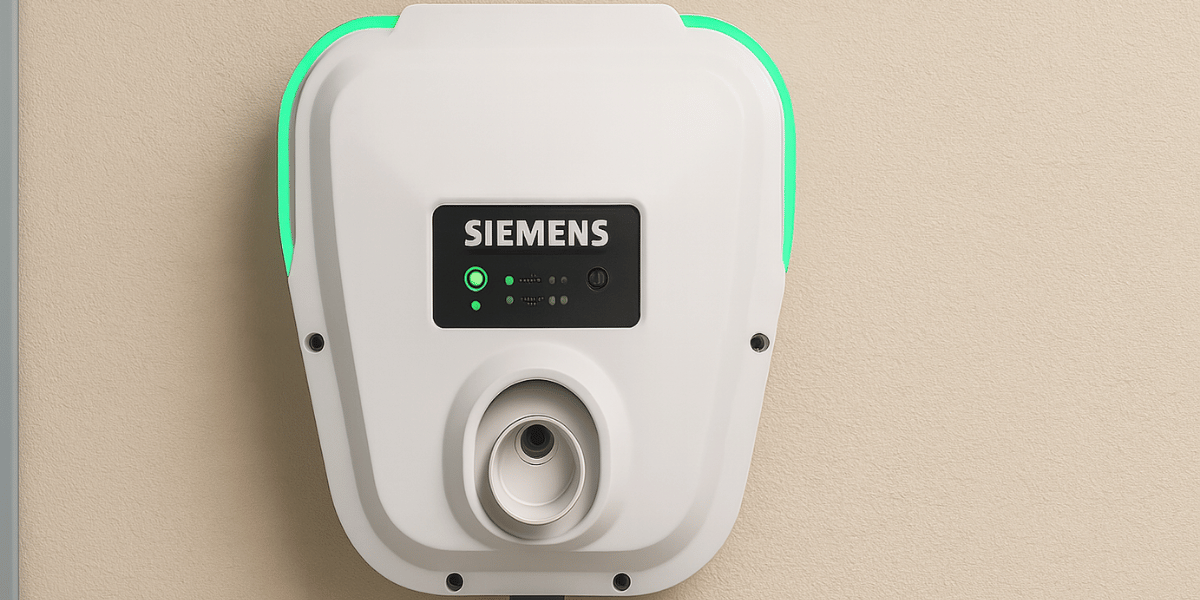
Getting an EV is exciting. The idea of charging at home is even better. No more gas stations. No more wondering if you have enough charge to make it to work. Just plug in and done.
But here is the part most people do not know up front: EV chargers pull a lot of power. More than a fridge. More than a microwave. Sometimes almost as much as your entire kitchen running at once. And if your home’s electrical system is already working near its limit, adding a charger can push it past what is safe.
At Integra Electrical, we look at this every day. Some homes are ready. Others need upgrades. Our goal is simply to help you understand where your home stands before you spend money or make big changes.
The main reasons an EV charger might not be a good fit for your home are:
- Your Panel Might Be Full
- Your Wiring Might Not Be Ready
- The Costs Can Add Up
- You Might Not Need Level 2 Charging
Your Panel Might Be Full
EV chargers are genuinely a great upgrade when the home can support them. It makes daily charging simple and predictable. But every charger needs its own dedicated circuit, which means your electrical panel has to have enough open capacity to handle the additional load.
Think of your panel like a parking lot. Each breaker is a parking space. If the lot is full, there is no safe place to add another vehicle. And trying to squeeze one in anyway leads to overheating, nuisance tripping, or quiet strain on the system that you cannot see.
If your home was built before the early 2000s, there is a good chance the panel is already doing a lot. Back then, homes just did not have as many power-hungry devices as we do now. Add an EV charger, which can draw as much power as a dryer or oven, and the system may simply not have the capacity to keep up.
If your home was built before the early 2000s, there is a good chance the panel is already doing a lot. Back then, homes just did not have as many power-hungry devices as we do now. Add an EV charger, which can draw as much power as a dryer or oven, and the system may simply not have the capacity to keep up.
This does not mean you cannot get an EV charger. It just means we need to check what your panel can safely handle. Sometimes the answer is, “Yes, you’re all set.” Other times, the answer is, “We’ll want to upgrade your panel first so everything runs safely and smoothly.” Neither is a bad outcome. The goal is simply to know before installing anything.
Your Wiring Might Not Be Ready
Even if your panel has room, the wiring that leads to the garage or parking area matters too. An EV charger needs wiring that can safely carry higher levels of power for long periods of time. If the wire is too small, too long of a run, or not routed in a way that can support the load, it can overheat. And overheated wiring is one of the fastest ways electrical systems wear out.
Sometimes the wiring is already in a good spot. Other times, especially in older homes, the garage wiring was only ever intended for a garage door opener and a couple of lights. That is not the same thing as supplying steady charging power every night.
This does not mean your home is behind or outdated. It just means it was designed before EVs were part of daily life. If the wiring needs to be replaced or upgraded, we want to know that ahead of time so the charger works the way it should and everything stays safe long term.
The goal is not to make your home fit the charger. It is to make the charger fit your home.
The Costs Can Add Up
Once we look at panel space and wiring, the next question is cost. Sometimes installing an EV charger is simple and affordable. Other times, the upgrades needed behind the scenes are what drive the price. Panel upgrades, longer wire runs, or routing power to a detached garage all add up.
None of this is about “trying to sell more work.” It is about making sure the charger you buy actually works the way it is supposed to. Nobody wants to spend money on a charger that charges slower than your phone on 2 percent in low power mode. That is not fun for anyone.
If the upgrades are small, great. If they are bigger, it is okay to push pause and decide whether now is the right time. The point is to understand the path clearly before you spend anything.
Sometimes the most confident decision is moving forward. Sometimes the most confident decision is waiting. Both are valid. The key is knowing the difference ahead of time.
You Might Not Need Level 2 Charging
Level 2 chargers are great, but not everyone actually needs one right away. If your daily driving is mostly local and you park at home overnight, the standard charger that came with your EV might already keep up with your routine. It takes longer, yes, but most cars sit parked far more hours than they drive.
A lot of homeowners picture themselves racing out of the house every morning with 4 percent battery left and a long commute ahead. But in real life, most people’s driving patterns look more like short trips to work, school drop offs, grocery runs, and the occasional Target detour because you forgot the thing you came for last time.
If the Level 1 charger keeps your range comfortable for your daily life, then you have time. You can add a Level 2 charger later, when your needs change or when the house is ready for it. There is no bonus prize for rushing.
The goal is not the fastest possible charging. The goal is charging that fits your life and your home safely.
Next Steps
If you are considering an EV charger, the best place to start is simply knowing what your home can support right now. Every house is a little different. Some are ready as-is. Others need small adjustments. Others need a panel upgrade before anything else makes sense.
We can take a look and walk you through what we see, what is possible, and what your options are. No pressure. No “you must decide today.” Just clear information so you can make the choice that fits your home and your budget.
If you would like help figuring out what your home can support, just schedule service and we will take a look the next time we are out.
FAQs
Do I have to upgrade my panel to get an EV charger?
Not always. Some homes already have enough capacity. We check the load first so you know for sure before making any decisions.
Can I just plug an EV charger into any outlet?
No. EV chargers need a dedicated circuit. Plugging into an outlet that was not designed for that load can cause overheating or tripping.
How long does a panel upgrade take?
Most upgrades can be completed in one day, once everything is planned and permitted. We’ll go over the timeline before anything starts.
Is Level 1 charging really enough for daily use?
For many people, yes. If your daily mileage is low to moderate and your car sits parked overnight, Level 1 can be perfectly practical.
Dustin Ober is a licensed electrician on Integra’s installation team. Born and raised in Iowa, he brings four years of licensed experience and five years of dedication to the Integra family. Known by customers as professional and helpful, Dustin is dependable and always shows up ready to help. When he’s not working, you’ll likely find him outdoors—enjoying the same steady calm he brings to every job.
