

Cloth Wiring: What It Is and Why Electricians Want It Gone
March 24th, 2026
4 min read
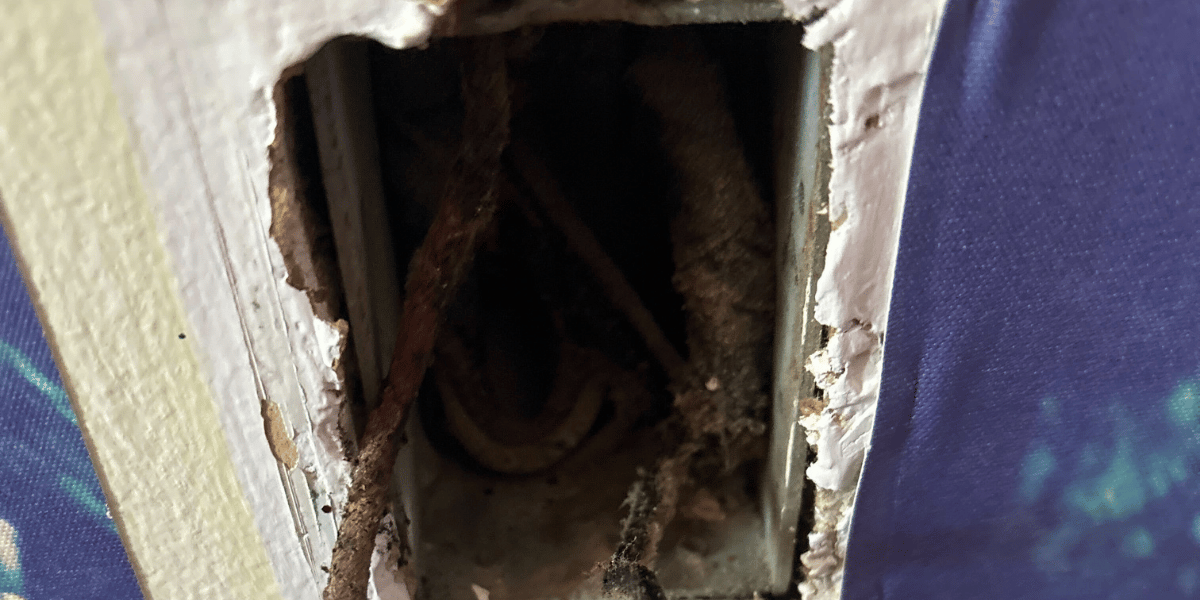
Your electrician just told you that you have cloth wiring.
You nodded like you understood. Maybe even said, “Okay.”
But internally you were thinking, Wait… why is that a problem? The lights work. Nothing is smoking. My house is not auditioning for a firefighter training video.
That reaction is completely normal. Cloth wiring usually does not announce itself with flashing warning signs. It just sits there quietly doing its job, which makes it confusing when someone suddenly says it needs attention.
At Integra Electrical, we see this exact conversation happen in older homes all the time. Homeowners are not ignoring a problem. They genuinely have no reason to suspect one because cloth wiring can function for decades while slowly wearing out behind the walls where no one can see it.
Before the end of this article, you will know:
- What cloth wiring actually is
- Why it can become unsafe over time
- What your options are if your home still has it
What Cloth Wiring Actually Is
Cloth wiring is electrical wiring wrapped in a fabric insulation instead of the plastic coating we use today. It was installed in many homes from the 1920s through the 1960s, and at the time it was considered perfectly acceptable. No one was being lazy. This was the technology.
Here is the honest part most people are not told. That wiring was never meant to still be in service today. It was designed for a completely different lifestyle. Homes back then powered a few lights, maybe a small appliance, and that was about it. Nobody was running multiple TVs, home offices, phone chargers in every room, or a kitchen full of gadgets that all beep at you.
Fabric does not age gracefully. It dries out. It gets brittle. It cracks when moved. What once protected the wire slowly turns into something that feels more like dry leaves than insulation. We have literally touched cloth wiring that crumbled in our hands. Not dramatically. Not with sparks flying. It just… gave up. Like a cookie that sat out too long.
Think of it like wearing a 70-year-old winter coat every single day and expecting it to still keep you warm in a storm. At some point the material is just tired. Cloth wiring is the same way. It is not failing because it was wrong. It is failing because time always wins.
Why Cloth Wiring Can Become a Problem
Cloth wiring does not usually fail in some dramatic, movie style way. It just gets worse. Slowly. Quietly. Right behind the walls where no one sees it.
The fabric insulation dries out over decades and loses its ability to protect the wire. It becomes brittle. It cracks when moved. Sometimes it simply falls apart. That means sections of energized wire can end up far less protected than they were ever meant to be.
And yes, this can be dangerous.
Not because your house is about to burst into flames tomorrow. But because the safety layer that was supposed to separate electricity from wood framing, insulation, and anything else around it is no longer dependable. Electricity is not forgiving when its boundaries wear out.
Most of these systems were installed before grounding was standard. Grounding is a major part of how modern electrical systems handle faults safely. Without it, there is far less room for something to go wrong without consequences. You are relying on materials that are already past their intended life to perform like they are new.
We have opened walls and watched the insulation crumble in our hands. No sparks. No warning. Just aging material that has reached the end of what it can do. One of our electricians once joked, “This wire is basically a history major at this point.” Funny. But it also tells you how long it has been in service.
Cloth wiring often still works, which is exactly why it gets overlooked. But working and being safe are not the same thing. Something can function and still no longer provide the level of protection your home needs today.
What Should You Do About Cloth Wiring?
Cloth wiring can keep working for a long time, which is exactly why it gets left alone. But it does not stop aging just because nothing looks wrong. The insulation continues to dry out, weaken, and lose its ability to protect the wire. At the same time, your home is asking more from it than it was ever built to handle.
That is where the real issue shows up. Not always as a sudden failure, but as a system with very little safety margin left. It can also make future upgrades harder. Adding grounded outlets, new circuits, or modern equipment becomes more complicated because you are building on wiring that has already reached the end of its intended life.
The next step is not to guess or assume the worst. It is to understand what is actually in your home and what condition it is in. Some homes only have small areas that need attention. Others need a longer term plan. The goal is clarity so you can make a smart decision without being rushed.
If you are not quite ready to have someone out, a good place to start is our “How Safe Is Your Home?” assessment. It walks you through key areas of your electrical system so you can get a better feel for where things stand.
And when you are ready for real answers, you can schedule service and have one of our electricians evaluate the system and walk you through your options.
Frequently Asked Questions
If it still works, why replace it?
Because working is not the same as safe. The insulation protecting the wire has aged past what it was designed to do, even if everything still turns on.
Do I have to rewire the whole house?
Not always. Some homes only need certain areas addressed. Others need a longer term plan. It depends on how much cloth wiring is present and what condition it is in.
Is this an emergency?
Usually no. This is rarely a drop everything situation. It is more of a plan for improvement rather than wait until something forces the issue.
How would I know if my home has cloth wiring?
Most homeowners do not know until it is discovered during an inspection or while work is being done. It is not something you can usually see without looking for it.
Daniel Carpenter is a licensed electrician on Integra’s installation team. He got his license at just 19, but he's been around the trade his whole life. With five years on the job and a heart for helping homeowners, Daniel takes pride in doing quality work that serves the local community.
