

How To Childproof Your Electrical System
March 5th, 2026
4 min read
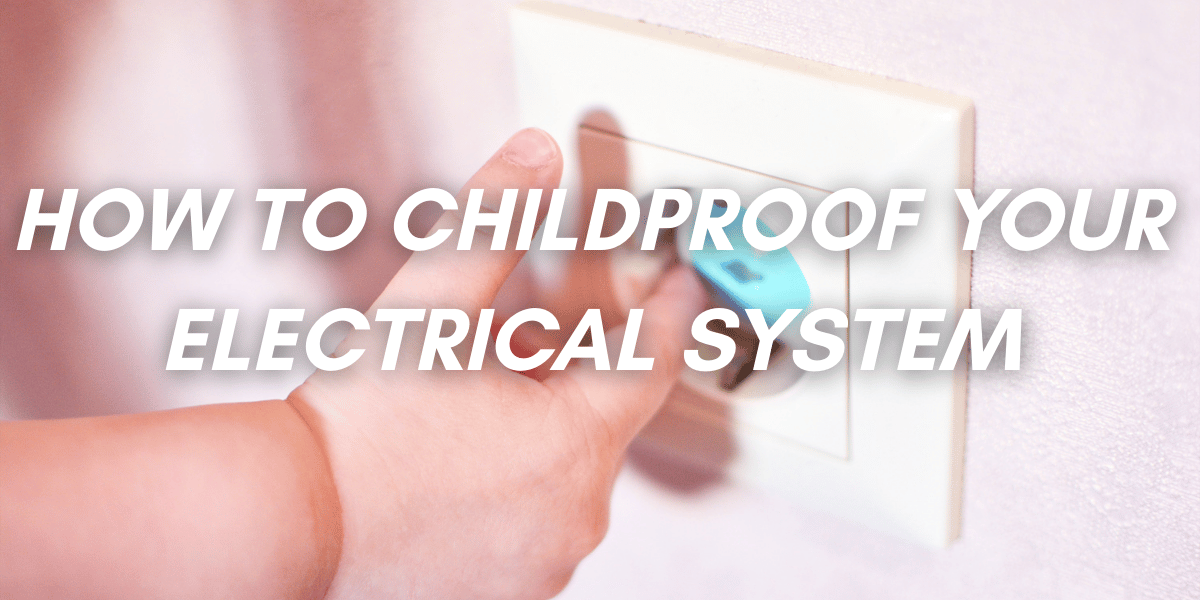
You baby-proofed the cabinets. You put corner guards on the coffee table. You moved the cleaning supplies up high. And then one day, your toddler crawls straight toward an outlet like it personally offended them. Suddenly, your heart is in your throat.
If you are a parent, this fear is not dramatic. It is instinct. You want to protect your kids from things they do not yet understand. Electricity is invisible. It does not look dangerous. It just sits there quietly in the wall while your child explores the world at exactly outlet height. And you are left wondering, Is my house actually safe?
At Integra Electrical, we help families every week who are asking that same question. We work in homes where the outlets are loose, the wiring is older than the parents, and the electrical panel has never been looked at since the house was built. We are parents too. We understand that this is not about being paranoid. It is about protecting the people you love most without turning your house into a padded cell.
Before the end of this article, you will know:
- The biggest electrical dangers for children in your home
- How to childproof outlets, cords, and electrical equipment
- When childproofing is not enough and what to do next
The Biggest Electrical Dangers For Children In Your Home
Kids do not avoid danger. They investigate it. If something looks interesting, they are already touching it, pulling it, or trying to taste it. (Why toddlers test everything with their mouths remains one of life’s great mysteries.)
Electricity is quiet. It does not look dangerous. It just sits behind the walls doing its job. But when something is loose, outdated, or overloaded, that invisible system can become unsafe fast, especially for curious little hands.
Here are the risks we see most often in family homes.
Unprotected Outlets
Outlets are basically installed at toddler height. That feels like a bold decision.
Those small openings invite fingers, toys, and random objects. Older outlets, cracked plates, or outlets that move when you plug something in are especially risky because the wiring behind the wall may not be secure. Electricity is supposed to stay contained. Loose connections make that harder.
Extension Cords And Power Strips
To adults, cords deliver power. To kids, they are pull toys.
Extension cords and power strips often sit where children crawl and play. Damaged cords can expose wiring, and overloaded strips can overheat. If your home depends heavily on them, the risk is right at your child’s level.
Kitchens, Bathrooms, And Water
Water and electricity do not cooperate. They react instantly.
Outlets near sinks, tubs, and countertops carry more risk because moisture changes how electricity behaves. Curious kids exploring or “helping” in these spaces can end up very close to danger.
The Electrical Panel
The electrical panel controls all the power in your home. If it is outdated or does not respond properly when something goes wrong, electricity can keep flowing when it should stop.
Here is the honest truth. You can teach your kids safety and watch them closely. But if the electrical system itself has problems, the risk does not disappear.
That is why childproofing matters. But it is only the beginning.
How To Childproof Your Electrical System (What Actually Works)
Childproofing is not about making your home perfect. It is about removing easy risks and creating barriers between curious kids and serious danger. Some solutions truly help. Others just make parents feel better while the real problem stays.
Here is what actually works.
Outlet Covers And Tamper-Resistant Outlets
Plastic outlet covers block curious fingers and objects. They are simple and helpful.
However, some toddlers view them as a personal challenge. Tamper-resistant outlets are stronger. They have built-in shutters that only open when a plug is inserted properly, not when a child pokes at them.
Secure Cords And Power Strips
If cords are within reach, kids will find them. Keep them off the floor and out of reach whenever possible.
And here is the honest truth. If your home depends on extension cords everywhere, you probably need more outlets. That is not a kid problem. That is a system problem.
GFCI Protection Near Water
Outlets near sinks, bathrooms, and kitchens should shut off instantly if something goes wrong. That is what GFCI outlets do.
If your home does not have them in high-moisture areas, that is worth fixing.
Fix Anything Loose Or Damaged
Loose outlets, cracked plates, or exposed wiring are not cosmetic issues. They are safety risks. Childproofing does not make damaged electrical parts safe.
Here is the real takeaway.
Childproofing reduces risk and protects curious little hands. But it does not fix hidden problems behind the walls. That is why it is only the beginning.
When Childproofing Is Not Enough And What To Do Next
Childproofing protects against curiosity. It does not fix electrical danger.
You can cover every outlet, secure every cord, and do everything right as a parent. But if the wiring behind your walls is damaged or outdated, those protections do not remove the real risk.
And here is the honest truth. Hidden electrical problems can be more dangerous than an uncovered outlet.
A loose outlet is visible. Failing wiring inside a wall is not. Damaged wiring can overheat or arc without warning. Outdated breaker panels can fail to shut power off when something goes wrong. When that happens, electricity keeps flowing when it should stop.
Childproofing does not stop any of that.
Many homes, especially older ones, still have aging wiring, worn connections, or electrical panels that were never designed for modern power use or busy family life. These systems can appear normal while quietly losing their ability to protect your home.
A house can look completely childproof on the surface while serious hazards still exist inside the walls.
Real protection requires two things:
- Limiting what children can access
- Making sure the electrical system itself is safe
Because protecting your kids is not just about what they can touch. It is about what is powering your home in the first place.
Next Steps
You are not overthinking this.
Wanting to know your home is truly safe for your kids is not anxiety. It is what good parents do.
You have handled the visible risks. You have covered outlets, moved cords, and taken steps to protect curious little hands. Now it is time to make sure the system behind your walls is protecting your family too.
All you have to do next is schedule service for a professional electrical safety evaluation. We will check your outlets, wiring, panel, and safety devices so you can feel confident your home is safe for everyday family life.
Because childproofing is one layer of protection.
A healthy electrical system is the foundation.
FAQs
Are outlet covers enough to protect my child?
They help prevent access, but they do not fix loose wiring, damaged outlets, or hidden electrical problems. They are one layer of protection, not the whole solution.
What are tamper-resistant outlets, and are they safer?
Tamper-resistant outlets have built-in shutters that block objects unless a plug is inserted correctly. They provide stronger protection than standard outlets and are common in newer homes.
How do I know if my home is electrically safe for kids?
Look for loose outlets, damaged cords, flickering lights, or an outdated panel. The most reliable way to know is a professional electrical safety evaluation.
Do older homes need more electrical safety updates?
Often, yes. Older homes may have aging wiring, worn connections, or panels that were never designed for modern power use.
Jaime Carpenter is the founder and Vice President of Integra Electrical, a mom of five, and a homeowner who understands the importance of keeping your family safe—especially in older homes. With decades of leadership and life experience, she brings both heart and know-how to every home Integra serves.
