

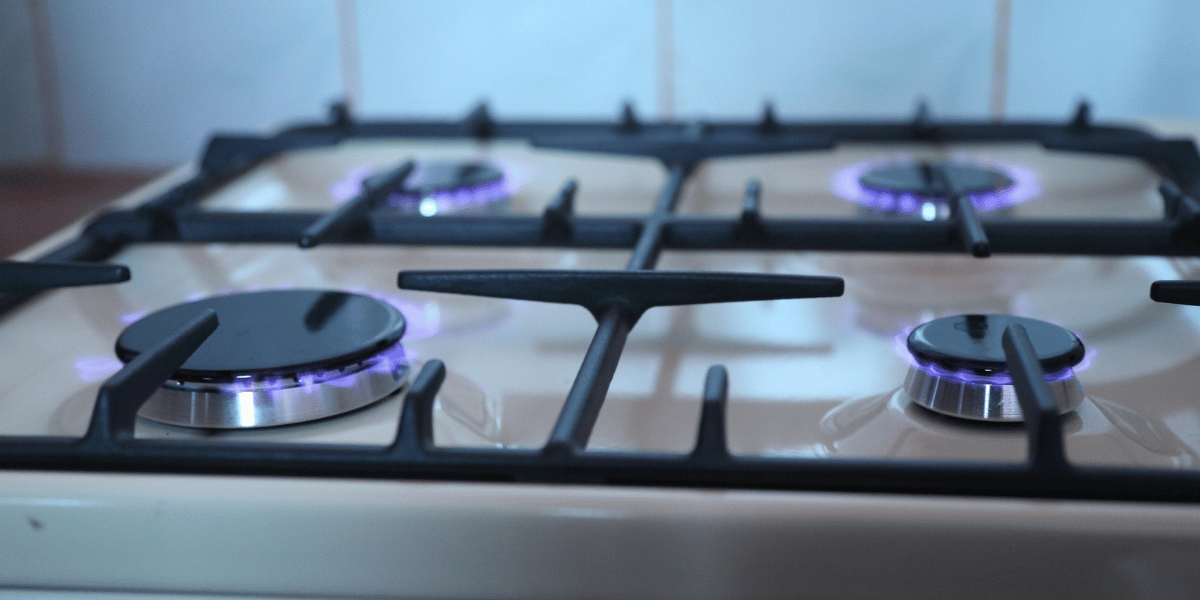
You are just trying to make dinner. The pan is heating up, the veggies are waiting, and suddenly your electric stove starts making a strange buzzing noise. Not exactly the soundtrack you were hoping for. Most homeowners have the same thought at that moment: Is this going to burn my house down… or is my stove just being dramatic? That uncertainty can turn a normal evening into an overthinking exercise.
At Integra Electrical, we work inside homes every day, especially older Iowa homes where electrical load, aging parts, and tired circuits sometimes play tug-of-war. We have tracked down mystery noises, failing switches, and appliances that sound like they joined a barbershop quartet. You are not crazy for noticing it, and you are not wrong for wondering what it means.
Before the end of this article, you will know:
- What that buzzing noise might actually mean
- Why some stove noises are harmless and others are warning signs
- When it makes sense to call an electrician instead of ignoring it
What That Buzzing Noise Might Actually Mean
A buzzing sound usually means one of two things. Either something in the stove is working harder than usual, or a part is struggling to make a good electrical connection. Think of it like someone trying to talk with their mouth half-full. The message gets through, but it does not sound right.
Sometimes the noise is completely harmless. Electric stoves use switches and regulators that open and close rapidly to control heat. When those internal parts click or hum under a heavy load, a little sound can happen. It is similar to a space heater that hums when it wakes up and gets to work.
But other times, the buzzing can point to a loose connection or a switch that is wearing out. Electricity likes smooth, solid paths. When a part starts to loosen, electricity can shake things up a bit. That vibration can turn into a hum or buzz. If the sound grows louder over time, shows up only on one burner, or comes with heat problems, that is a sign something is slipping.
The good news: you noticing the noise early is already a win. Appliances rarely fail without dropping clues. A buzz is often your stove’s way of saying, “Hey, I am doing my best, but something is not quite right.”
Why Some Stove Noises Are Harmless and Others Are Warning Signs
Not every buzz is a threat. Some electric stoves make noise simply because they are pulling power and regulating heat. When a burner cycles on and off to maintain a temperature, the internal switch can hum for a moment. It is a little like a treadmill starting up. It whirs, it works, and then it settles into a rhythm. As long as the heat is steady and there is no burning smell, that kind of noise usually falls into the annoying but normal category.
But other times, the sound is your stove waving a tiny red flag. A steady, loud buzz that only shows up on one burner can mean a switch is wearing out or losing its grip. Loose wiring can vibrate like a guitar string that was never tuned. Electricity moves through it, but it rattles the whole way. When power has to fight through a weak spot, heat builds and the buzzing becomes a warning instead of background noise.
The easiest way to tell the difference is to trust the pattern. Normal noises come and go. They behave themselves. Problem noises hang around, get louder, or arrive with backup symptoms like flickering lights, inconsistent burner temperatures, a warm electrical smell, or the breaker tripping. That combination of clues does not mean danger is guaranteed, but it does mean the stove needs attention.
A buzzing stove is a little like a tired athlete. A few grunts are fine. But if the athlete is limping, sweating, and asking for an ice bath, you know something is wrong. Appliances follow the same logic. A little sound under pressure is normal. A loud buzz plus performance issues is your cue to look closer.
When It Makes Sense to Call an Electrician Instead of Ignoring It
If the buzzing happened once and never returned, you probably do not need to worry. Appliances warm up, make a noise, and go back to normal. But if the stove buzzes every time you turn the burner on, or the sound is getting louder, that is a sign something is struggling. Parts do not tighten themselves, and electrical components rarely heal with time.

Think about it like a car. If you hear one rattle going over a bump, no big deal. If it rattles every time you reach highway speed, you get a mechanic involved. A stove works the same way. The longer a weak connection or switch keeps fighting to deliver power, the more heat and stress it creates behind the scenes.
Age matters too. Older stoves and older wiring sometimes have trouble keeping up with modern power needs. What sounds like an appliance issue can actually be the electrical system in the wall. A quick diagnostic can tell you which one it is, and it is easier to handle when things still work, not after they quit during a holiday dinner.
If the buzzing does not affect heat, you can usually keep cooking while you schedule a visit. But if the buzz comes with flickering, heat loss, or a burning smell, stop using that burner until someone checks it. A short visit can bring back clarity and peace, instead of a lingering worry every time you turn the stove on.
Next Steps
If the buzzing is mild, comes and goes, and your stove still heats the way it should, you can simply keep an eye on it for now. But if the sound is steady, getting louder, or only happening on one burner, that is the right time to have someone take a look. A quick electrical diagnostic can usually narrow down whether you are dealing with a small appliance repair or a wiring issue that needs attention.
If you want a sense of pricing before you schedule anything, you can check our price guide and see a clear range without a phone call. It is an easy way to understand what makes sense for your home and your budget while keeping dinner stress-free.
Stove Buzzing Questions
Is a buzzing stove dangerous?
Not usually, but it is worth paying attention to. A little hum during heat regulation can be normal. A loud or persistent buzz is a sign to have it checked so the problem does not grow.
Can buzzing be normal when I turn on a burner?
Yes. Some electric burners make a brief hum as they cycle on and off to control temperature. It should come and go, not stay loud the entire time.
Should I stop using the stove until someone looks at it?
If the stove heats properly and does not smell odd, you can usually keep cooking while you schedule a visit. If the buzzing comes with heat loss, flickering, or a burning smell, stop using that burner.
Will I have to replace the whole stove?
Not likely. Many buzzing issues can be fixed by tightening connections or replacing a part. The first step is figuring out where the sound is coming from.
How much does it usually cost to fix a buzzing stove issue?
Many minor fixes fall between about 100 and 300, depending on the cause.
