

What Causes a Buzzing Light and How To Stop It
December 27th, 2025
4 min read
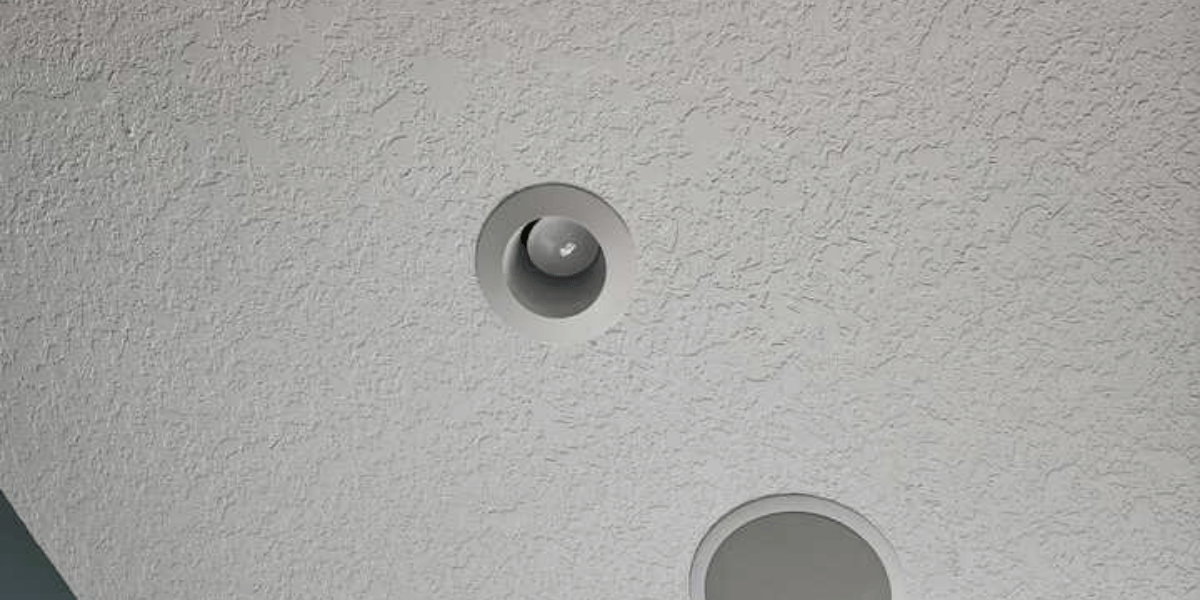
If you have ever flipped on a light and heard a faint buzzing sound, you know the exact mix of confusion and concern it creates. It is not loud, it is not dramatic, but it is definitely not on your list of normal household noises. Most homeowners describe it the same way. “It sounded like someone humming but not quite sure of the melody.” It is a small thing, but it gets your attention right away.
At Integra Electrical, we see buzzing lights in all kinds of Iowa homes, especially older ones where fixtures and wiring have had a few more birthdays than anyone planned. The good news is that a buzzing light usually comes from a short list of familiar causes, and once you understand them, the whole situation feels a lot less mysterious.
Before the end of this article you will know:
- Why a buzzing light happens
- What a buzzing light means for your home
- How an electrician diagnoses a buzzing light
Why a Buzzing Light Happens
A buzzing light can come from a handful of common issues, and most of them have to do with how electricity moves through the fixture. Think of electricity like people trying to walk through a doorway. When the path is clear, everyone moves smoothly. When the doorway is tight or someone is blocking part of it, things get a little chaotic. A buzzing light is often the electrical version of that.
One of the most common causes is a loose bulb or a loose connection. When the connection is not snug, electricity has to work harder to travel through it, and that extra effort can create a light vibration. That vibration becomes the buzzing sound you hear.
You might also hear buzzing if the bulb is not the right type for the fixture. For example, some dimmer switches do not work well with certain LEDs. It is like using an off brand phone charger. It might technically work, but it is not a comfortable fit.
Another cause is age. Older fixtures can develop worn or loose internal parts, and those parts can vibrate under normal electrical load. It is similar to how an old ceiling fan starts making noises it never made years ago. A buzzing light can be your fixture’s way of telling you it is getting tired.
In less common cases, buzzing can be connected to a wiring issue or an overloaded circuit. These situations are not everyday problems, but they do matter because they involve more than the light itself. The good news is that a qualified electrician can pinpoint the cause quickly without guesswork or taking anything apart unnecessarily.
What a Buzzing Light Means for Your Home
A buzzing light is not always a sign of something serious, but it is your home’s way of saying something needs attention. Sometimes it is a loose bulb. Other times, it is a part that is wearing down or a mismatch between the bulb and the switch.
If the buzzing is new, sudden, or consistent every time the light is on, it could mean the connection inside the fixture needs tightening. Even a small gap can create vibration, and over time, that vibration can heat up the part that is already loose.
If the buzzing only happens when you dim the lights, it usually means the bulb and dimmer are not compatible. Many homeowners find this out after switching to LEDs. Not all LEDs are designed to work with older dimmers, and older dimmers were not designed for modern LEDs. The result is a faint hum that makes you feel like something is off. Thankfully, this is usually a quick fix.
Buzzing from an older fixture can point to age-related wear. Just like older appliances start rattling or humming, older light fixtures can loosen internally with time. It is not usually an emergency, but it can turn into one if ignored for too long. Handling it sooner rather than later keeps things simple and safe.
There are also times when the buzzing has less to do with the light and more to do with the wiring or the circuit behind it. These cases are less common, but they are important because they can affect other parts of the home. A trained electrician can quickly tell whether the sound is just an inconvenience or something that needs attention.
What matters most is remembering that a buzzing light is not your fault. Homes age. Fixtures age. Wiring settles. And your electrical system often gives small clues long before anything major happens. Catching those clues early keeps your home safe and lowers your stress.
How an Electrician Diagnoses a Buzzing Light
When an electrician checks a buzzing light, the first step is simply listening. That small noise tells us a lot. It is like how a mechanic can often tell what is wrong with a car just from hearing it start. The sound may seem tiny, but to a trained ear, it gives direction on where to begin.
(Some electricians swear they can hear a loose connection from the driveway. We let them believe it. They are very proud.)
We start by checking the bulb and the fixture. Tightening a bulb is one of the quickest ways to rule out the simplest cause. If the buzzing continues, we open the fixture to see whether any internal parts are worn or vibrating.
Next, we check bulb and switch compatibility. Many buzzing issues come from mismatched equipment that was never intended to work together. An electrician can tell almost instantly whether the bulb, dimmer, or fixture needs to be updated.
If the buzzing seems to come from deeper in the system, we look at the wiring. This does not mean tearing into walls. With the right tools, we can test connections, look for loose wiring, and check electrical loads safely. These tests show whether the issue is isolated or part of a larger pattern.
Finally, we check the circuit. If too many items share one circuit, or if the circuit is showing its age, it can create buzzing long before anything more obvious happens. Think of it like a check engine light. It is a hint, not a disaster.
The goal is simple. Find the real cause, fix what needs fixing, and give you clear answers without guesswork or unnecessary repairs.
Next Steps
If you have noticed a buzzing light in your home, the safest next step is to get a clearer picture of how your electrical system is doing overall. You can take our Home Safety Evaluation quiz, a quick homeowner friendly tool that helps you understand what might be happening behind the walls before you schedule anything. It is simple, it is helpful, and it gives you more confidence in what to do next.
FAQs
Why does only one light in my home buzz while the others are fine?
Different fixtures, bulbs, and switches age differently. One may have a loose part, a mismatched bulb, or a worn connection even if everything else in the home is working normally.
Can humidity make a buzzing light worse?
Yes. High humidity can affect older fixtures and connections, making existing vibrations more noticeable. It usually is not the main cause, but it can make the sound louder.
Is it safe to keep the light on if it is buzzing?
It is better to turn it off until you know what is causing the sound. A buzzing light is often minor, but leaving it on can cause wear on the part that is already loose or mismatched.
Dyllan has over a year of experience in the electrical field and is passionate about helping his team and customers succeed. He’s motivated by seeing everyone grow and thrive together. Outside of work, he’s a husband and proud father of two who loves spending time with his kids. Dyllan enjoys serving homeowners and building meaningful connections through every interaction.
