

Automatic Generators vs. Manual Generators: What’s the Difference?
February 20th, 2026
4 min read
By Dustin Ober
The power goes out. Everything stops. The house gets quiet. Someone says you should get a generator, and suddenly you are comparing automatic vs manual like you are studying for an exam you did not sign up for. You just want the lights on and your fridge not turning into a science experiment. These two options sound similar, but they are very different, and choosing wrong can mean real inconvenience or safety issues.
At Integra Electrical, we help homeowners make sense of generator options every day, especially in older homes where power needs are not always simple. We install automatic standby generators and help homeowners understand when manual generators make sense and when they do not. Our goal is to give clear answers so you can choose what actually works for your home.
Before the end of this article, you will know:
- What automatic generators do and how they work
- How manual generators are different and where they fall short
- Which option makes sense for your home and situation
What Automatic Generators Do (And Why They Exist)
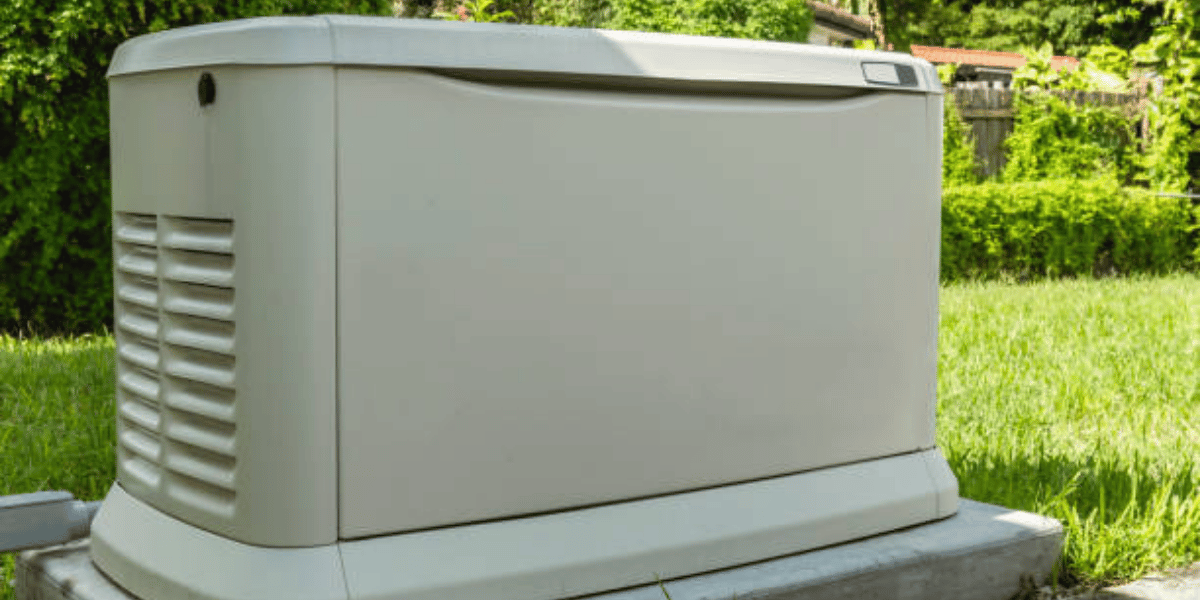
An automatic generator, also called a standby generator, turns on automatically when power goes out. You do not roll it outside. You do not plug anything in. You don't need to be home. The system senses the outage and restores power to your house within seconds. It is like having a backup heart for your home. The moment the main one stops, the other one takes over.
These systems connect directly to your electrical panel and usually run on natural gas or propane. They are designed to power large portions of the home or the entire house, depending on the size. The heat keeps running. Food stays cold. Life continues normally. No extension cords through windows. No reading the instruction manual by flashlight like you are defusing a bomb in an action movie.
The biggest advantage is reliability and safety. Automatic generators remove the human factor. There is no setup, no guesswork, and no risk of improper use. During an emergency, convenience is not just nice. It is protection.
Now let’s talk about cost. Most automatic generator installations typically range from about $10,000 to $20,000 or more. The price depends on the size of the home, the amount of power you want to supply, gas line work, permits, and electrical upgrades. It is a larger investment upfront, but you are paying for full-home protection, automatic operation, and long-term reliability.
Think of it like the difference between installing a sprinkler system versus keeping a bucket of water nearby. Both technically involve water. Only one actually handles the emergency for you.
And to be very direct, this is what the industry agrees on. If you want seamless backup power and the highest level of safety, automatic generators are the standard. They exist because manual solutions often fail when people need them most.
How Manual Generators Work (And Their Limitations)
A manual generator, usually called a portable generator, only works if you set it up yourself. When the power goes out, you bring it outside, start it, connect extension cords or a transfer switch, and manage what gets power. Nothing happens automatically. If you are not home, nothing turns on.
Manual generators typically run on gasoline and power a limited number of items like a refrigerator, space heater, or a few outlets. They are more like emergency backup tools than full home solutions. Think of it like camping inside your house. You have power, but life is not exactly normal.
They are cheaper upfront. Most portable generators cost about $500 to $2,500. If you install a transfer switch so you can safely connect it to your home’s electrical system, that usually adds another $1,000 to $3,000. So the realistic total can range from about $1,500 to $5,000, depending on setup.
But there are real limitations. You must store fuel. You must be home to start it. You must manage cords and power use. And if it is not used correctly, this is not good. Improper use can create serious safety risks like carbon monoxide exposure or electrical hazards. The industry is very clear about this. Portable generators must be used carefully every time.
Also, power outages rarely happen at convenient times. They show up at 2 AM, during storms, or when you are out of town. A manual generator depends entirely on your ability to respond in that moment. It is backup power that requires effort.
That said, manual generators can make sense for smaller homes, short outages, or homeowners who want a lower cost solution and do not mind the extra work. They solve some problems. They just do not solve all of them.
And yes, they also require maintenance, fuel management, and planning ahead. Because nothing says “relaxing evening” like realizing your emergency generator needs fresh gasoline during an actual emergency.
Which Generator Is Right for Your Home
The right choice depends on what you expect during a power outage. If your goal is convenience, safety, and keeping your home running normally without lifting a finger, an automatic generator is usually the better fit. It protects the whole system and removes the stress of managing power during an emergency.
If your priority is a lower upfront cost and you are comfortable setting things up yourself, managing fuel, and choosing what gets power, a manual generator can work. It is a practical solution for short outages or smaller power needs. You just have to be honest about the effort required.
Here is a simple way to think about it. Automatic generators are like having a full backup plan that runs your home. Manual generators are more like a temporary workaround. Both provide power. Only one provides normal life.
Your home size matters. Your budget matters. Your comfort level matters. If you work from home, rely on medical equipment, travel often, or simply want peace of mind during storms, automatic systems usually make more sense. If outages are rare and you do not mind the extra work, a manual generator may be enough.
And let’s be honest. Most people think they will not mind setting up equipment in the dark during bad weather. Then the first storm hits and suddenly the idea feels much less heroic.
The best choice is the one that matches how you actually live, not what sounds good in theory.
Next Steps
If you are thinking about backup power for your home, the best first step is understanding what your electrical system can support and what level of protection you actually want. Every home is different, and the right solution depends on your power needs, safety priorities, and budget.
If you want clarity on your options or want to explore installing a generator, your next step is to schedule service to have your system evaluated and talk through what makes the most sense for your home. Clear information makes this decision much easier.
FAQs
How much does an automatic generator cost to run?
Most automatic generators run on natural gas or propane. Operating cost depends on fuel prices and how long the generator runs, but many homeowners only see increased costs during outages. Because they run only when needed, ongoing expenses are usually manageable.
Can I upgrade from a manual generator to an automatic generator later?
Yes. Many homeowners start with a portable generator and upgrade later to an automatic standby system. The installation is different, but upgrading is very common.
Do generators increase home value?
Automatic standby generators can increase home value and buyer appeal, especially in areas with frequent outages. Many buyers see whole home backup power as a strong convenience and safety feature.
Dustin Ober is a licensed electrician on Integra’s installation team. Born and raised in Iowa, he brings four years of licensed experience and five years of dedication to the Integra family. Known by customers as professional and helpful, Dustin is dependable and always shows up ready to help. When he’s not working, you’ll likely find him outdoors—enjoying the same steady calm he brings to every job.
