

The Most Common Problems We See With 30+ Year Old Electrical Panels
February 7th, 2026
4 min read
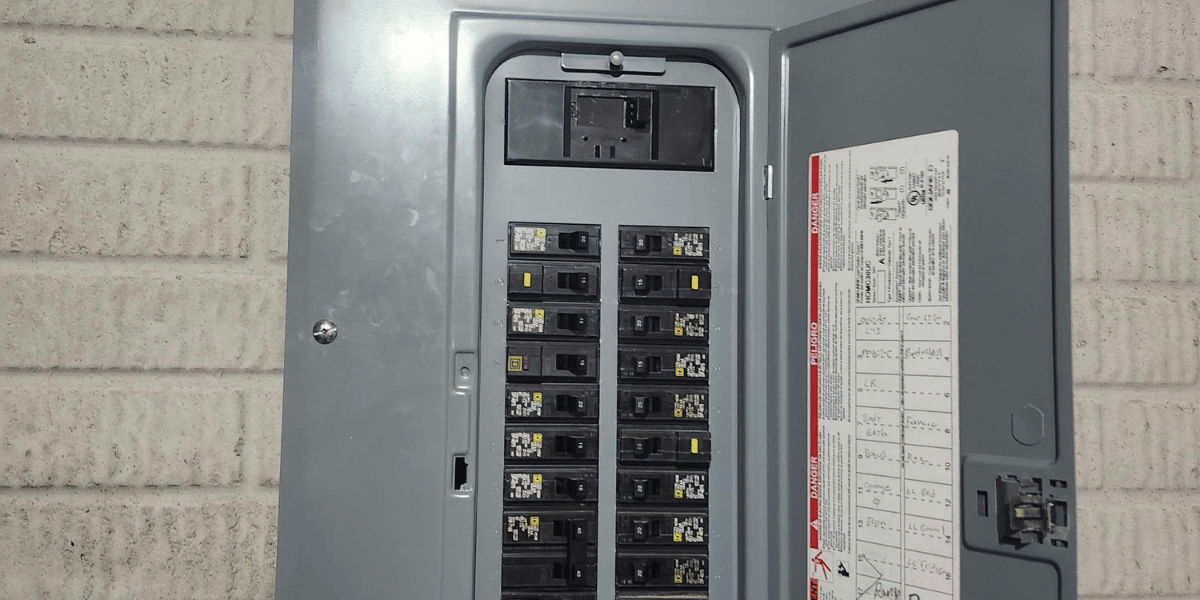
Owning an older home means learning its personality. Floors creak. Doors stick. And somewhere, usually in a basement or utility room, your electrical panel has been quietly doing its job for decades.
Most homeowners assume that if the lights turn on, everything must be fine. No sparks. No smoke. No urgency. Electrical panels rarely demand attention, which is exactly why they get ignored. The problem is, panels do not usually fail in obvious ways. They age quietly, especially when they are 30+ years old and have never had any maintenance.
The three biggest problems with 30+ year old panels are:
- The panel was never designed for today's electrical demand
- Breakers and connections wear out internally over time
- Most older panels have never had any maintenance
The Panel Was Never Designed for Today’s Electrical Demand
The problem
Electrical panels installed 30 or 40 years ago were built for a very different kind of home. Fewer appliances. Fewer electronics. No EV chargers. No home offices. No air fryer that somehow needs more power than a refrigerator from 1992.
Back then, a panel’s biggest responsibility might have been a microwave and a box fan. Today, that same panel is being asked to run modern kitchens, entertainment systems, smart devices, and whatever mystery appliance lives in the garage. It is not that the panel is broken. It is just being asked to do a job it was never trained for.
A good way to picture this is asking a flip phone to run maps, stream music, and track your steps. It might turn on. It might even try. But it is working way harder than it should.
The solution
This kind of strain does not always cause immediate shutdowns. Instead, it shows up as frequent breaker trips, limited capacity for new projects, or a system that feels maxed out all the time. A professional evaluation can tell you whether your panel is overloaded, nearing its limit, or simply being pushed too hard for too long.
Sometimes the answer is small adjustments. Sometimes it is planning ahead. Either way, knowing where your panel actually stands beats guessing while hoping it keeps up.
Breakers and Connections Wear Out Internally Over Time
The problem
Electrical panels do not age gracefully. They age like knees. They still work, but they complain a little more every year. Inside a 30+ year old panel, thousands of tiny heat cycles have happened. Power flows, things warm up, things cool down, over and over again. That constant expansion and contraction slowly loosens connections and wears down breakers.
From the outside, everything can look perfectly fine. Inside, breakers can become less sensitive, connections can loosen, and corrosion or dust can quietly move in like it pays rent. The system still functions, but the safety margin gets thinner.
This is where the phrase “it’s always worked before” becomes misleading. Panels rarely fail suddenly. They drift. And drift is hard to notice until something finally gives.
The solution
An inspection looks for exactly this kind of internal wear. Loose connections can be tightened. Aging breakers can be identified. Heat damage can be caught early, before it turns into a real problem. It is not about finding something wrong. It is about understanding what condition the system is actually in after decades of use.
When panels get checked periodically, small fixes stay small. When they never get checked, they tend to introduce themselves in inconvenient ways.
Most Older Panels Have Never Had Any Maintenance
The problem
Electrical panels are usually installed once and then emotionally abandoned. They sit there quietly, doing their job, never asking for anything. So homeowners assume they do not need attention. That makes sense. No one puts “schedule panel maintenance” on their calendar right next to dentist appointments and oil changes.
The reality is, most 30+ year old panels have never been cleaned, tightened, or professionally inspected. Dust builds up. Connections loosen. Small issues go unnoticed because no one is looking. It is not neglect. It is just how panels have always been treated.
Think of it like skipping the dentist for 30 years because your teeth did not fall out. You might still be smiling. But the X-rays would probably tell a longer story.
The solution
Maintenance is not about assuming something is wrong. It is about getting visibility. A professional assessment can confirm whether everything is in good shape, or catch small issues before they grow. Sometimes the best outcome is being told, “Everything looks solid.” That peace of mind matters too.
Your Next Steps
If your electrical panel is over 30 years old, the goal is not to panic. Age alone does not mean failure. What matters is condition, capacity, and whether anyone has actually looked inside the panel in the last few decades.
The next step is clarity. Having a licensed electrician take a look inside the panel can confirm whether everything is in good shape or explain why certain issues keep popping up. Sometimes the outcome is reassurance. Sometimes it helps you plan ahead instead of reacting later.
If you want clear answers for your home, the easiest way to get them is to schedule service with a professional who can assess your panel, explain what they see, and walk you through your options without pressure.
FAQs
Is a 30+ year old electrical panel automatically unsafe?
No. Age alone does not make a panel unsafe. What matters is condition, capacity, and whether it has been maintained or inspected. Some older panels are still in good shape. Others are quietly struggling. You cannot tell which category yours is in without looking inside.
If everything has worked fine so far, why worry now?
Electrical panels rarely fail all at once. Problems tend to build slowly over time. Things can work for years while internal wear quietly adds up. Most issues we find are not emergencies, but they are useful to know about before they turn into one.
Can breakers wear out even if they still trip?
Yes. Breakers can become less accurate as they age. Some trip too easily. Others trip too late. Neither is ideal. From the outside, they look normal, which is why inspections matter.
Does maintenance mean I need to replace my panel?
Not always. In many cases, maintenance or small adjustments are all that is needed. Sometimes an inspection confirms that your panel is reaching its limits, which helps you plan ahead instead of being surprised later.
How often should an electrical panel be checked?
For older homes, a professional inspection every few years is a good rule of thumb, especially if the panel is 30+ years old or you are planning electrical upgrades.
Daniel Carpenter is a licensed electrician on Integra’s installation team. He got his license at just 19, but he's been around the trade his whole life. With five years on the job and a heart for helping homeowners, Daniel takes pride in doing quality work that serves the local community.
