

Fuse Box vs. Breaker Panel: What's the Difference, and Should You Upgrade?
August 10th, 2026
4 min read
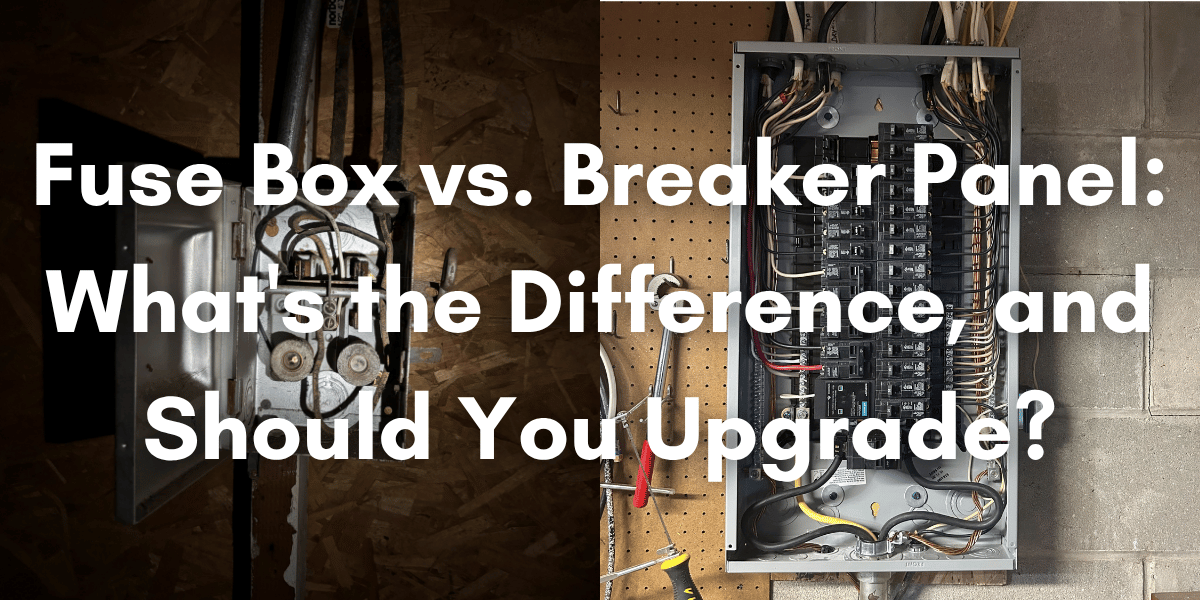
Finding a fuse box in your basement can raise a lot of questions. Is it unsafe? Is it too old? Will it handle a new appliance, finished basement, or updated kitchen? The hardest part is knowing if you have a real problem or just an older system that still works.
At Integra Electrical, we inspect electrical systems in homes across Des Moines and nearby Iowa communities. Many homes built in the 1950s and 1960s still have fuse boxes or older panels. Some are in good shape. Others have been patched, overloaded, or changed over the years in ways that can create safety risks.
Before the end of this article, you will know:
- How Fuse Boxes and Breaker Panels Work
- When a Fuse Box Becomes a Problem
- How Much It Costs to Upgrade a Fuse Box in Iowa
How Fuse Boxes and Breaker Panels Work
Fuse boxes and breaker panels do the same main job. They help stop wires from getting too hot when a circuit pulls more power than it can handle.
A fuse box uses small fuses. Each fuse has a thin metal strip inside. If too much power moves through the circuit, that strip melts and shuts the power off. Once a fuse blows, you have to replace it.
A breaker panel uses switches called breakers. When a circuit has a problem, the breaker trips and shuts the power off. In many cases, you can fix the cause and reset the breaker.
Think of a fuse like a one-time safety guard. Once it does its job, it is done. A breaker is more like a reset button.
A fuse box is not unsafe just because it is old. Some older systems still work as they should. The bigger concern is what may have happened over the years. Someone may have installed the wrong fuse size, added too much load, or made unsafe repairs.
Breaker panels are easier to use and offer more room for modern circuits. That can matter in Iowa homes with added appliances, finished basements, EV chargers, or updated kitchens.
When a Fuse Box Becomes a Problem
A fuse box may still work, but age can bring problems. The box itself is only part of the story. The wiring, repairs, and power needs of the home matter too.
Watch for these warning signs:
- Fuses blow often
- Lights dim when appliances turn on
- Outlets feel warm
- You see rust, burn marks, or melted parts
- The box makes buzzing or crackling sounds
- Someone installed fuses that are too large
- Extension cords are being used as permanent wiring
Oversized fuses are a serious concern. A larger fuse may stop the power from shutting off when it should. That can let wires get too hot and raise the risk of a fire.
Many older homes in Des Moines were built when families used far less power. The original system may not have been made for central air, large kitchen appliances, home offices, and electric car chargers. A fuse box can start to feel like a tiny closet that has been asked to hold the whole house.
You do not always need to replace a fuse box right away. If it is in good shape, uses the correct fuses, and supports the home safely, an electrician may tell you it can stay.
Replacing one blown fuse can be simple. Finding out why it keeps blowing is different. If the same fuse fails again, the box feels hot, or you see signs of damage, stop resetting the problem and have the system checked.
How Much It Costs to Upgrade a Fuse Box in Iowa
Most Iowa homeowners can expect to pay about $2,000 to $5,000 to replace a fuse box with a breaker panel. The price may be lower for a simple swap. It may be higher if other parts of the system also need work.
The final cost can change based on:
- The size of the new panel
- The number of circuits in the home
- The age and condition of the wiring
- Needed grounding or safety updates
- Work near the meter or outside service
- Permit and inspection costs
Some homes also need a larger electrical service. This is common when adding an EV charger, electric range, hot tub, or other large item. In that case, the electrician may need to work with MidAmerican Energy or Alliant Energy before the power can be turned back on.
A panel upgrade in Des Moines usually requires a permit and inspection. That helps make sure the new panel and wiring meet current safety rules.
This is not a safe DIY project. The wires feeding the box may still carry power even when the main switch is off. Saving money is great. Meeting a live service wire in your basement is not the place to do it.
Should You Upgrade Your Fuse Box?
You may not need to replace a fuse box just because it is old. If it is in good shape, uses the right fuses, and supports your home safely, it may still be doing its job.
An upgrade is worth considering if:
- Fuses blow often
- The box shows heat, rust, or damage
- You need more circuits
- You are planning a large electrical project
- Your insurance company requires a breaker panel
The best next step is to have the system checked before making a decision. An electrician can look at the fuse box, wiring, service size, and the power your home uses. You will then know if the box can stay or if an upgrade makes sense.
You can schedule service with Integra Electrical for an honest look at your electrical system. You can also review our electrical project price guide before planning your budget. Replacing a fuse box is a major project, but it should not feel like a mystery.
FAQ
Is a fuse box illegal in Iowa?
No. A fuse box may stay in use if it is safe and has not been changed in a way that creates a hazard. Age alone does not make it illegal.
Can I replace a blown fuse myself?
In many cases, yes. Turn off or unplug items on that circuit first. Always use the correct fuse size. Never install a larger fuse just to keep it from blowing.
Does a new breaker panel lower my electric bill?
Usually not. A new panel improves safety and gives your home more room for circuits. It does not reduce how much power your appliances use.
Will homeowners insurance cover a house with a fuse box?
It depends on the insurance company and the condition of the system. Some companies may require an inspection or panel upgrade before offering coverage.
Damon Reynolds is a Field Supervisor at Integra Electrical who’s built a reputation for helping homeowners separate real concerns from electrical noise. With a calm, clear approach, he breaks down the technical stuff so you know what matters and what doesn’t. A proud Iowan, Damon is also a husband, dad, and occasional golfer who believes the best work starts with earning your trust.
